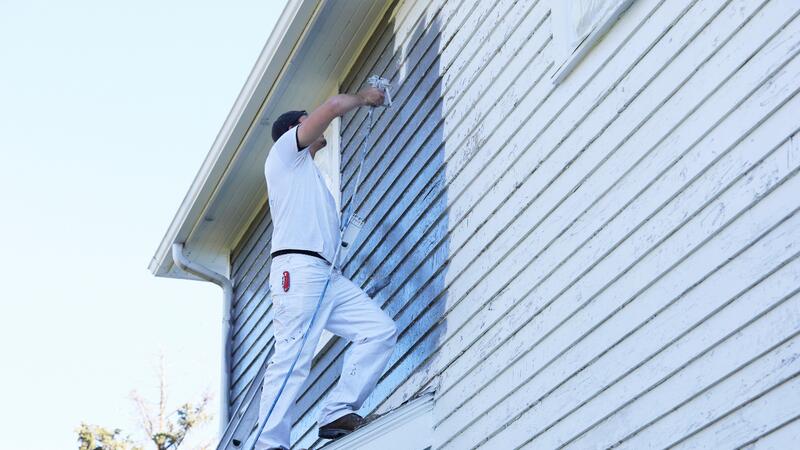
Your deck is one of your home's most valuable outdoor living spaces, especially here in Kansas City where we enjoy beautiful spring and summer weather. However, our Midwest climate—with its hot summers, cold winters, and unpredictable storms—can be particularly harsh on wooden decks. Proper deck staining isn't just about aesthetics; it's essential protection that can extend your deck's life by decades and save you thousands in replacement costs.
As professional painters serving the Kansas City metro area, we've seen countless decks that could have been saved with proper staining and maintenance. Whether you're tackling this project yourself or considering professional help, this comprehensive guide will walk you through everything you need to know about deck staining in our unique Missouri climate.
Understanding Kansas City's Climate Challenges for Deck Staining
Kansas City's continental climate presents unique challenges for deck maintenance. Our region experiences significant temperature swings, from summer highs often exceeding 90°F to winter lows that can drop well below freezing. Add in our notorious humidity, sudden thunderstorms, and occasional ice storms, and you'll understand why proper deck protection is crucial.
The freeze-thaw cycles we experience are particularly damaging to unprotected wood. Water penetrates the wood fibers during warmer periods, then expands as it freezes, causing splits, cracks, and warping. This is why choosing the right stain and applying it correctly is so important in our area.
Our summers can be brutal, with intense UV radiation that breaks down wood fibers and causes graying and splitting. Without proper protection, a beautiful cedar or pressure-treated lumber deck can start showing serious wear in just one or two seasons.
Timing Your Project for Kansas City Weather
The optimal temperature range for deck staining is between 50°F and 90°F, making late spring through early fall the ideal window in Kansas City. However, you'll want to avoid the height of summer when temperatures regularly exceed 90°F and humidity is at its peak.
The best times for deck staining projects in our area are:
- Late April through May: After the last frost but before summer heat
- September through early October: Cooler temperatures and lower humidity
- Mid-fall: If weather permits, though you'll need several dry days
Always check the forecast for at least 48 hours of dry weather after application. Kansas City's sudden weather changes can ruin an otherwise perfect staining job.
Choosing the Right Stain for Midwest Conditions
Not all deck stains are created equal, especially when you're dealing with Kansas City's challenging weather patterns. Understanding your options will help you make the best choice for your specific situation and budget.
Oil-Based vs. Water-Based Stains
This is often the first decision homeowners face, and both options have distinct advantages in our climate:
Oil-Based Stains penetrate deeper into wood fibers, providing excellent protection against moisture and UV rays. They're particularly effective for older decks or dense hardwoods. In Kansas City's climate, oil-based stains typically last 3-4 years with proper maintenance. However, they take longer to dry (24-48 hours) and have stronger odors during application.
Water-Based Stains dry faster (4-6 hours), have lower odor, and are easier to clean up. They're excellent for newer decks and softer woods like pine or cedar. While they may not penetrate as deeply as oil-based options, modern water-based formulations offer impressive durability and UV protection.
Solid vs. Semi-Transparent vs. Clear Stains
Your choice here depends on your deck's condition and your aesthetic preferences:
Solid Stains provide maximum protection and are ideal for older decks with imperfections. They essentially act like paint, covering the wood grain entirely while providing excellent weather protection. In Kansas City's harsh climate, solid stains often provide the longest-lasting protection.
Semi-Transparent Stains offer a balance between protection and natural wood appearance. They allow some wood grain to show through while providing good UV and moisture protection. This is often the most popular choice for homeowners who want protection without completely hiding their deck's natural beauty.
Clear Stains and Sealers primarily protect against moisture while allowing the wood's natural color and grain to shine through. However, they offer minimal UV protection, which can be problematic in Kansas City's sunny climate.
Recommended Brands for Kansas City Climate
Based on our experience with hundreds of deck staining projects in the Kansas City area, certain brands consistently perform better in our climate:
- Sherwin Williams SuperDeck: Excellent durability and color retention
- Behr Premium Deckover: Great for heavily weathered decks
- Cabot Stains: Solid reputation for Midwest weather resistance
- Olympic Elite: Good balance of performance and value
Always invest in quality stain—the difference in cost is minimal compared to the labor involved in reapplication.
Essential Preparation Steps for Professional Results
Proper preparation is absolutely crucial for a successful deck staining project. In fact, preparation typically accounts for 70-80% of the total work time, but it's what separates professional-quality results from amateur attempts.
Cleaning Your Deck Thoroughly
Start with a comprehensive cleaning to remove dirt, mildew, previous stain residue, and other contaminants that could prevent proper adhesion:
Power Washing: Use a pressure washer with 1,200-1,500 PSI (higher pressure can damage wood fibers). Hold the nozzle 12-18 inches from the surface and work with the grain. Allow 24-48 hours drying time before proceeding.
Chemical Cleaning: For heavily soiled or mildewed decks, use a deck cleaning solution. Apply according to manufacturer instructions, scrub with a stiff brush, then rinse thoroughly. This step is particularly important in Kansas City's humid climate where mildew growth is common.
Hand Cleaning: For detailed areas around railings and between boards, hand cleaning may be necessary. Use a deck brush and cleaning solution to ensure every surface is properly prepared.
Sanding and Surface Preparation
After cleaning and drying, inspect your deck for issues that need attention:
Sanding: Light sanding with 80-100 grit sandpaper helps open wood pores for better stain penetration. Focus on areas that feel smooth or slick. Always sand with the grain, never against it.
Nail and Screw Inspection: Check all fasteners and countersink any that have worked loose. Replace any severely rusted or damaged hardware.
Wood Repair: Replace any damaged boards, fill small holes or gaps with exterior wood filler, and ensure all surfaces are sound before staining.
Protecting Surrounding Areas
Kansas City homes often have landscaping, siding, and other surfaces near decks that need protection:
- Cover plants with plastic sheeting or drop cloths
- Protect adjacent siding, doors, and windows with painter's tape and plastic
- Remove or cover outdoor furniture and grills
- Consider the wind direction during application to prevent overspray
Step-by-Step Application Process
With preparation complete, you're ready for the actual staining process. Following proper application techniques will ensure even coverage and maximum durability.
Weather Considerations for Application Day
Choose your application day carefully. Ideal conditions include:
- Temperature between 50°F and 85°F
- Humidity below 70%
- No direct sunlight on the application area
- No rain in the forecast for 24-48 hours
- Light wind (helps with drying but not so strong it affects application)
In Kansas City, early morning or late afternoon applications often work best, avoiding the intense midday sun that can cause stain to dry too quickly.
Tools and Equipment You'll Need
For Brush Application:
- High-quality natural bristle brush for oil-based stains
- Synthetic brush for water-based stains
- 4-inch brush for deck boards
- 2-inch angled brush for detailed work
For Roller Application:
- Medium nap roller covers (3/8" to 1/2")
- Extension pole for easier application
- Roller tray with liner
Additional Supplies:
- Drop cloths and plastic sheeting
- Mixing sticks
- Clean rags for cleanup
- Rubber gloves
- Safety glasses
Application Technique
Start with Railings and Detail Work: Begin with railings, balusters, and other detailed areas while you're fresh and your hand is steady. Use a brush for these areas to ensure complete coverage in all crevices.
Deck Board Application: Work in manageable sections, typically 2-3 boards at a time. Apply stain with the grain, maintaining a wet edge to avoid lap marks. Whether using brush or roller, back-brush the final coat to ensure even penetration.
Maintaining Consistent Coverage: Apply thin, even coats rather than trying to cover everything in one heavy application. Heavy applications can lead to peeling and poor durability—exactly what you don't want in Kansas City's challenging climate.
Work Systematically: Plan your application pattern so you don't paint yourself into a corner. Generally, work from the far end of the deck toward your exit point.
Two-Coat Applications
Some situations benefit from two-coat applications:
- Heavily weathered wood that absorbs stain quickly
- High-traffic areas that need extra protection
- Decks exposed to extreme weather conditions
If applying a second coat, do so while the first coat is still slightly tacky (usually within 2-4 hours, depending on conditions). This ensures proper adhesion between coats.
Common Mistakes to Avoid
Even experienced DIYers can make mistakes that compromise their deck staining project. Here are the most common issues we see in Kansas City:
Weather-Related Mistakes
Ignoring Weather Forecasts: Kansas City weather can change quickly. Always check extended forecasts and be prepared to postpone if conditions aren't ideal.
Staining in Direct Sunlight: Hot surfaces cause stain to dry too quickly, preventing proper penetration and creating lap marks.
Not Allowing Proper Drying Time: Rushing the process because of weather concerns often backfires. Better to wait for proper conditions than deal with failure.
Application Errors
Inadequate Surface Preparation: Skipping cleaning or rushing the prep work is the number one cause of stain failure. Contaminants prevent proper adhesion and lead to premature peeling.
Applying Too Thick: More isn't better with deck stain. Thick applications can peel and trap moisture, leading to wood damage.
Inconsistent Application: Varying application thickness creates uneven appearance and protection levels.
Product Selection Mistakes
Using Interior Products: Interior stains and sealers aren't formulated for exterior weather exposure and will fail quickly in Kansas City's climate.
Mixing Product Types: Don't mix oil-based and water-based products, or different brands without checking compatibility.
Buying Cheap Stain: Low-quality stains may save money upfront but typically require more frequent reapplication, costing more in the long run.
Maintenance and Longevity Tips
Proper maintenance will extend your stain job's life and keep your deck looking great between major refinishing projects.
Regular Cleaning Schedule
Develop a maintenance routine appropriate for Kansas City's climate:
Spring Cleaning (April-May): Remove winter debris, clean with mild detergent solution, inspect for damage from freeze-thaw cycles.
Mid-Season Maintenance (July-August): Light cleaning to remove dirt and pollen buildup, check for any early signs of stain wear.
Fall Preparation (October-November): Thorough cleaning before winter, remove leaves promptly to prevent staining, inspect for any needed repairs.
Seasonal Inspection Points
Regularly inspect these areas for early signs of problems:
- Board ends (particularly vulnerable to moisture)
- Areas around posts and supports
- High-traffic zones like stairs and entryways
- South-facing surfaces (maximum sun exposure)
- Areas where water tends to collect
When to Restain
Generally, decks in Kansas City need restaining every 2-4 years, depending on:
- Stain quality and type used
- Deck exposure (sun, weather, traffic)
- Wood species and age
- Maintenance consistency
Signs it's time to restain include:
- Water no longer beads on the surface
- Visible wood grain through solid stain
- Color fading or graying
- Peeling or flaking stain
Professional vs. DIY: Making the Right Choice
Deciding whether to tackle deck staining yourself or hire professionals depends on several factors specific to your situation.
When DIY Makes Sense
DIY deck staining can be rewarding and cost-effective if:
- You have a smaller, simple deck design
- You enjoy hands-on projects and have adequate time
- Your deck is in good condition requiring minimal prep work
- You have the necessary tools and equipment
- Weather conditions allow flexible scheduling
When to Call Professionals
Consider professional services like KC Painting when:
- Your deck is large or has complex architectural details
- Significant repairs or prep work are needed
- You lack time for proper preparation and application
- Safety concerns exist (high decks, difficult access)
- You want warranty protection on the work
- Previous DIY attempts haven't held up well
Professional contractors bring experience with local weather challenges, access to high-quality materials, proper equipment, and the expertise to handle unexpected problems that often arise during deck projects.
Cost Considerations
While DIY projects save on labor costs, consider these factors:
DIY Costs:
- Quality stain: $30-60 per gallon
- Tools and supplies: $50-200 (if not already owned)
- Your time: 2-4 days for average deck
- Risk of mistakes requiring rework
Professional Services:
- Complete project: $2-6 per square foot
- Includes all materials and labor
- Warranty protection
- Proper insurance coverage
- Time savings allowing you to focus on other priorities
Frequently Asked Questions
Q: What's the best time of year for deck staining in Kansas City?
The optimal time for deck staining in Kansas City is late spring through early fall, specifically May through June and September through early October. These periods offer the ideal temperature range of 50-85°F with lower humidity levels. Avoid the peak summer months when temperatures regularly exceed 90°F and humidity is highest. Always ensure you have at least 48 hours of dry weather forecasted after application, as Kansas City's sudden weather changes can ruin a staining project.
Q: How long does deck stain last in Kansas City's climate?
In Kansas City's challenging climate with its freeze-thaw cycles, intense summer heat, and humidity, deck stain typically lasts 2-4 years depending on several factors. High-quality oil-based stains generally last longer (3-4 years) than water-based options (2-3 years). Factors affecting longevity include the deck's sun exposure, foot traffic, maintenance consistency, and the quality of stain used. Decks with southern exposure or high traffic areas may need attention sooner.
Q: Should I use oil-based or water-based stain for my Kansas City deck?
Both options work well in Kansas City, but each has advantages. Oil-based stains penetrate deeper and typically last longer in our harsh climate, making them ideal for older decks or those needing maximum protection. Water-based stains dry faster (important given our unpredictable weather), have lower odor, and are easier to clean up. For most Kansas City homeowners, a high-quality water-based stain offers the best balance of performance, convenience, and environmental friendliness.
Q: Do I need to remove old stain before applying new stain?
Not always, but it depends on the condition of the existing stain. If the old stain is peeling, flaking, or failing, it must be removed through sanding, scraping, or chemical stripping. However, if the existing stain is in good condition but just faded, you can often apply a new coat directly over it, provided you use a compatible product. When in doubt, it's better to remove old stain for best adhesion and longevity, especially given Kansas City's demanding weather conditions.
Q: Can I stain my deck if it's pressure-treated lumber?
Yes, but timing is crucial. New pressure-treated lumber contains chemicals and moisture that prevent proper stain adhesion. Wait 3-6 months after installation before staining, or perform a water test—sprinkle water on the wood and if it beads up, wait longer. If water soaks in, the wood is ready for staining. Given Kansas City's climate, properly staining pressure-treated decks is essential for long-term protection against our freeze-thaw cycles and UV exposure.
Q: What should I do if rain threatens during my staining project?
If rain is forecasted within 24-48 hours of your planned staining, postpone the project. If unexpected rain threatens during application, stop immediately and cover completed sections if possible. Light rain on uncured stain can cause water spots, uneven finish, or complete adhesion failure. In Kansas City's unpredictable climate, always have tarps ready and monitor weather forecasts closely. It's better to wait for proper conditions than risk project failure.
Trust KC Painting for Your Kansas City Deck Staining Needs
While this guide provides comprehensive information for DIY deck staining, sometimes the expertise and efficiency of professional contractors make the most sense for your project. At KC Painting, we've been helping Kansas City homeowners protect and beautify their outdoor spaces for years, and we understand the unique challenges our local climate presents.
Our team brings extensive experience with Kansas City's weather patterns, from scorching summer heat to brutal winter freeze-thaw cycles. We know which products perform best in our climate, how to time projects for optimal results, and how to handle the unexpected challenges that often arise during exterior staining projects.
Whether your deck needs basic maintenance staining or extensive preparation and repair work, our professional team has the tools, materials, and expertise to deliver results that will protect your investment for years to come. We use only premium-quality stains and sealers specifically chosen for Midwest weather conditions, and we back our work with comprehensive warranties.
Don't let Kansas City's challenging climate damage your valuable deck investment. Contact KC Painting today at (816) 281-7039 for a free, no-obligation estimate on your deck staining project. We serve Kansas City and all surrounding areas, and we're committed to helping you maintain beautiful, protected outdoor living spaces that enhance your home's value and your family's enjoyment.
Call us today to discuss your deck staining needs and discover why so many Kansas City homeowners trust KC Painting for their exterior staining and painting projects. Your deck deserves professional protection—let us help you achieve it.