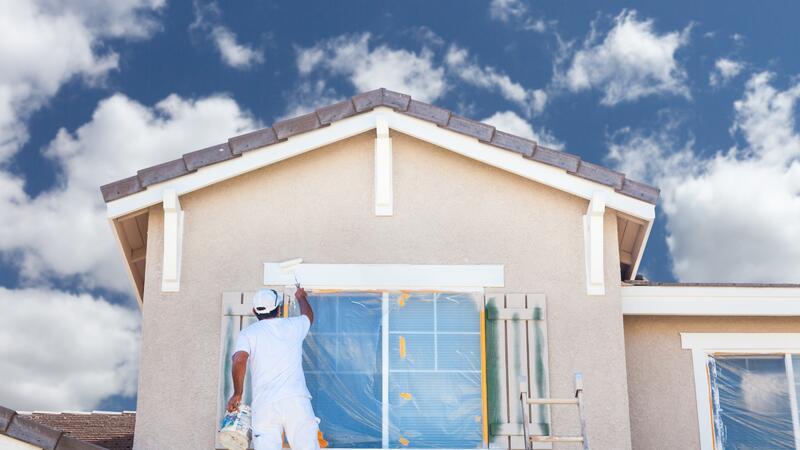
Painting a room is one of the most transformative home improvement projects you can tackle. Whether you're refreshing a tired bedroom, updating your living room for the Kansas City seasons, or preparing to sell your home, a fresh coat of paint can completely change the atmosphere of a space. But achieving professional-quality results requires more than just grabbing a brush and diving in.
In this comprehensive guide, we'll walk you through every step of painting a room like a pro, from initial planning through final touches. Whether you're a seasoned DIY enthusiast in Kansas City, MO, or tackling your first painting project, these expert tips will help you achieve results that rival professional work.
Step 1: Plan Your Painting Project Thoroughly
Before you buy a single can of paint, take time to plan your project carefully. This foundational step determines whether your project runs smoothly or becomes frustrating.
Assess Your Space
Start by evaluating the room you'll be painting. Consider the natural light from windows, the room's purpose, and how different colors will interact with existing furnishings and décor. Kansas City homes experience significant seasonal changes—bright winters with snow and warm, humid summers—so think about how your color choice will feel year-round.
Determine Scope and Timeline
Identify all surfaces that need painting: walls, trim, baseboards, ceilings, or doors. A typical bedroom takes 4-8 hours for a motivated DIYer, while a larger living room might require a full weekend. Set realistic expectations for your timeline.
Estimate Your Budget
Quality interior painting doesn't require breaking the bank. Plan for:
- Paint: $25-$60 per gallon
- Primer: $20-$40 per gallon
- Tools and supplies: $50-$150 for basic materials
- Drop cloths, tape, brushes, and rollers: $30-$80
If you're uncertain about the scope or want professional guidance on color selection, many painting contractors in Kansas City, MO, offer free consultations—including KC Painting, which specializes in transforming spaces with expert color advice.
Step 2: Choose Your Paint Colors and Finish
Selecting the right color is more important than many homeowners realize. This decision impacts your entire project's success.
Test Colors First
Never commit to a color based on a small paint chip. Purchase sample-sized containers and paint large swatches on different walls in your room. Observe how the color appears in morning light, afternoon sunlight, and artificial light. Colors look dramatically different depending on lighting conditions, and Kansas City's varying seasonal light can significantly affect how a color appears throughout the year.
Consider Finish Types
Paint finishes serve different purposes:
- Matte/Flat: Best for ceilings and low-traffic areas; doesn't reflect light
- Eggshell: Slightly reflective; ideal for living rooms and bedrooms
- Satin: Moderately reflective; great for bathrooms and kitchens due to moisture resistance
- Semi-gloss: Highly reflective; perfect for trim, baseboards, and doors
- Gloss: Most reflective; excellent for high-traffic areas and doors
For most Kansas City homes, eggshell or satin finishes on walls with semi-gloss trim provide professional results that balance aesthetics with durability.
Select Quality Paint
Invest in mid-range to premium paint brands. Better quality paint typically contains more pigment, provides superior coverage, and offers better durability in Kansas City's climate with its temperature fluctuations and humidity levels. Premium paint often requires fewer coats, ultimately saving you time and money.
Step 3: Gather Your Materials and Tools
Professional-quality results require professional-quality tools. Don't skimp on this step.
Essential Painting Tools
- Brushes: Invest in quality angled brushes (2-3 inches) for trim and cutting-in, and flat brushes for detailed work. Natural bristles work best with oil-based paints; synthetic bristles suit latex paints
- Rollers: Use 3/8-inch nap for smooth surfaces and 1/2-inch nap for textured surfaces. Quality roller covers prevent lint shedding
- Paint tray: Use disposable liners to minimize cleanup
- Extension pole: Reduces strain and improves ceiling access
- Ladder or step stool: Ensure it's stable and appropriate for your ceiling height
Protective Materials
- Drop cloths: Canvas drop cloths are superior to plastic for safety and reusability
- Painter's tape: Quality tape prevents paint seepage
- Plastic sheeting: For protecting fixtures and furniture
- Gloves: Latex or nitrile for cleanup
- Safety glasses: Protect eyes from drips
- Respirator mask: Important if using oil-based paints or in poorly ventilated spaces
Step 4: Prepare Your Space and Protect Surfaces
This step separates professional-looking results from amateur work. Preparation is absolutely crucial.
Clear and Cover
Remove as much furniture as possible from the room. Push heavier pieces to the room's center and cover everything with plastic sheeting or old sheets. Cover light fixtures, ceiling fans, and any fixtures you're not painting with plastic bags secured with painter's tape.
Protect Floors and Trim
Lay canvas drop cloths across the entire floor, extending at least two feet up all walls. This protects against spills and drips. Apply painter's tape along the ceiling line and where walls meet trim, and along the floor if you're only painting walls. High-quality painter's tape is worth the investment—cheaper tape allows paint seepage.
Address Windows and Doors
Remove outlet covers, light switch plates, and doorknobs if possible. If not removing them, tape them carefully. Window frames can be taped or cut-in carefully with a brush.
Step 5: Clean and Prepare Your Walls
Dirty or damaged walls won't accept paint properly, resulting in poor adhesion and an unprofessional finish.
Wash the Walls
Use a TSP (trisodium phosphate) solution or degreaser to remove dust, grime, and grease buildup. Kansas City homes can accumulate considerable dust, especially on walls near vents or in older homes. Wipe walls with a damp sponge or cloth, working from top to bottom. Allow walls to dry completely before painting—typically 24 hours.
Fill Holes and Cracks
Use spackling compound or joint compound for small holes (less than 1/4 inch) and patching compound for larger areas. Apply with a putty knife, slightly overfilling holes. Once dry, sand smooth with 120-grit sandpaper. For cracks in plaster (common in older Kansas City homes), use flexible patching compound designed for cracks.
Sand Rough Areas
Sand any glossy surfaces with 120-150 grit sandpaper to help primer and paint adhere properly. Pay special attention to existing semi-gloss or gloss areas.
Apply Primer if Needed
Use primer if painting over stains, dark colors, new drywall, or drastically changing your color. Quality primer dramatically improves paint coverage and final results. One coat of primer typically eliminates the need for additional paint coats.
Step 6: Paint Your Ceiling
Many DIYers skip ceiling painting, but a fresh ceiling dramatically impacts a room's appearance.
Cut-In Your Ceiling
Using an angled brush and steady hand, paint a 3-4 inch band around the ceiling's perimeter where it meets the walls. Work in manageable sections, maintaining a wet edge to avoid lap marks. This "cutting-in" process prevents roller splatter on walls and ensures clean lines.
Roll the Ceiling
Attach your roller to an extension pole and apply paint in a "W" or "M" pattern, then fill in the center without lifting the roller. Use steady, overlapping strokes. Most ceilings require two coats, especially when covering older, yellowed ceilings common in many Kansas City homes.
Step 7: Paint Walls with Professional Technique
Proper wall painting technique ensures smooth, even coverage.
Cut-In Along Trim and Edges
Paint a 2-3 inch band along all trim, baseboards, corners, and edges using your angled brush. Maintain steady pressure and a wet edge to blend strokes. This prevents roller marks near edges and creates clean, professional lines.
Roll Your Walls
Fill your paint tray and load your roller thoroughly. Apply paint in large "W" or "M" patterns, then fill in without lifting the roller. Maintain light, even pressure. Avoid pressing too hard, which creates texture variations. Slightly overlap each stroke to ensure consistent coverage.
Work Systematically
Paint one wall completely before moving to the next. This prevents lap marks and maintains consistent wet edges. Most walls require two coats for optimal color and finish, especially when using quality paint.
Step 8: Paint Trim, Baseboards, and Doors
Finishing touches make your project look professionally done.
Paint Trim with Precision
Using quality semi-gloss paint and an angled brush, carefully paint trim, crown molding, and window frames. Work methodically, maintaining a wet edge. Semi-gloss finish creates elegant lines that complement wall colors and resists dust better than flat finishes.
Paint Baseboards
Baseboards require careful technique to look professional. Paint horizontally along the wall, using short, controlled strokes. Semi-gloss or satin finishes are ideal for baseboards in Kansas City homes, as they're easier to clean and more durable in high-traffic areas.
Finish Doors
Paint doors last to ensure they're completely dry before closing. Paint door frames first, then the door itself. Use long, vertical strokes on flat surfaces and careful brushwork on panels. Allow proper drying time—typically 24-48 hours—before closing doors or removing painter's tape.
Step 9: Remove Tape and Evaluate Your Work
Professional painters finish strong with careful cleanup.
Remove Tape Properly
Once paint is dry to the touch (not fully cured, which takes 24-48 hours), carefully remove painter's tape. Pull at a 45-degree angle away from painted surfaces to prevent paint edges from tearing. Remove tape while paint is still slightly tacky for cleanest results—completely dry paint can crack when tape is removed.
Touch Up and Inspect
Inspect your work carefully. Touch up any drips, missed spots, or thin areas. Allow these touch-ups to dry fully before final evaluation.
Common Mistakes to Avoid
Understanding what goes wrong helps ensure success:
- Skipping primer: This often requires additional paint coats
- Poor surface preparation: Leads to paint failure and poor adhesion
- Cheap tools: Result in visible brush strokes and roller marks
- Not maintaining wet edges: Creates visible lap marks and inconsistent coverage
- Painting too fast: Rushing causes drips, missed spots, and uneven coverage
- Ignoring room temperature: Paint doesn't adhere properly below 50°F or above 85°F
- Not testing colors: Leads to disappointing results after two coats of paint
Kansas City-Specific Considerations
Our Kansas City, MO climate requires special painting considerations. Summer humidity can extend drying times significantly, while winter's dry cold can cause paint to cure unevenly. Always check weather forecasts before painting and avoid painting during rain or high humidity. Spring and fall offer ideal conditions for interior painting projects.
When to Call Professional Painters
While DIY painting can yield excellent results, some situations warrant professional help:
- Textured or popcorn ceilings: Require specialized techniques
- High ceilings: Present safety and difficulty challenges
- Complex trim or architectural details: Need experienced touch
- Large projects: Professional painters complete jobs in days, not weekends
- Exterior painting: Requires specific safety equipment and expertise
KC Painting specializes in both interior and exterior projects throughout Kansas City, MO, and can handle any painting challenge, from simple room updates to comprehensive home transformations.
Frequently Asked Questions
How much paint do I need for my room?
Calculate wall area by multiplying room perimeter by ceiling height, then subtract door and window openings. Most latex paints cover 300-400 square feet per gallon. For a 12x12 room with 8-foot ceilings, you'll typically need 1-2 gallons for two coats.
Can I paint over glossy surfaces without sanding?
While light sanding improves adhesion, quality primers designed for glossy surfaces can work without sanding. However, sanding still produces superior results. The effort is worthwhile for professional-looking outcomes.
How long should I wait between coats?
Latex paint typically dries to the touch in 1-4 hours, but optimal recoating time is 3-4 hours. Always check your specific paint's instructions, as humidity and temperature in Kansas City can affect drying times significantly.
What's the best way to store leftover paint?
Store paint in cool, dry conditions away from temperature extremes. Kansas City's temperature fluctuations can affect paint consistency, so a climate-controlled basement or closet is ideal. Seal the can tightly and store it upright.
Should I paint my ceiling the same color as walls?
Standard practice is painting ceilings white or a ceiling-specific formula to reflect light and make rooms feel larger. However, painting ceilings the same color as walls creates a cozy, modern appearance. Test this approach with samples before committing.
How can I achieve professional-looking trim lines?
Quality painter's tape, sharp angled brushes, and proper technique create clean lines. Apply tape firmly, paint at the tape edge with a steady hand, and remove tape while paint is still slightly tacky. Patience is essential—rushing causes sloppy lines.
What paint finish is best for high-traffic areas?
Satin or semi-gloss finishes resist stains and clean easily, making them ideal for high-traffic areas, kitchens, bathrooms, and children's rooms. Eggshell works well for living areas with moderate traffic.
Professional Painting for Kansas City Homes
While DIY painting can be rewarding, achieving truly professional results requires skill, quality tools, and experience. If you're uncertain about tackling this project yourself, or if you'd like expert color consultation and flawless execution, KC Painting has served Kansas City, MO homeowners for years, delivering exceptional results on every project.
Our experienced team understands Kansas City's unique climate and building characteristics, ensuring your paint job looks beautiful and lasts for years. From initial color consultation to meticulous surface preparation and expert application, we handle every detail professionally.
Ready to transform your Kansas City home with professional painting? Contact KC Painting today at (816) 281-7039 for a free consultation and estimate. Let our expert team handle your painting project while you enjoy the results.