When it comes to transforming your Kansas City home's interior, nothing delivers more impact per dollar than a professional paint job. However, achieving those stunning, long-lasting results that make your neighbors ask "who did your painting?" requires more than just rolling paint on walls. After years of perfecting our craft at KC Painting, we've learned that exceptional interior painting results come from following proven best practices that most homeowners never hear about.
Whether you're planning a single room refresh or a whole-house transformation, understanding these professional techniques will help you make informed decisions about your project. From proper surface preparation to choosing the right paint finish for Kansas City's unique climate conditions, every detail matters when you want results that will look beautiful for years to come.
Essential Surface Preparation: The Foundation of Excellence
The difference between a paint job that lasts two years versus one that looks fresh for a decade often comes down to preparation. Professional painters spend 70-80% of their time on prep work, and there's a compelling reason for this approach.
Cleaning and Inspection
Before any paint touches your walls, thorough cleaning removes dust, grease, and grime that can prevent proper paint adhesion. In Kansas City homes, we often encounter unique challenges like basement moisture issues or cooking residue in kitchens that require specialized cleaning solutions.
Start with a detailed inspection of every surface. Look for hairline cracks, nail pops, or areas where previous paint is peeling or chalky. These issues won't magically disappear under new paint – they'll telegraph through and potentially cause premature failure of your new finish.
Crack and Hole Repair
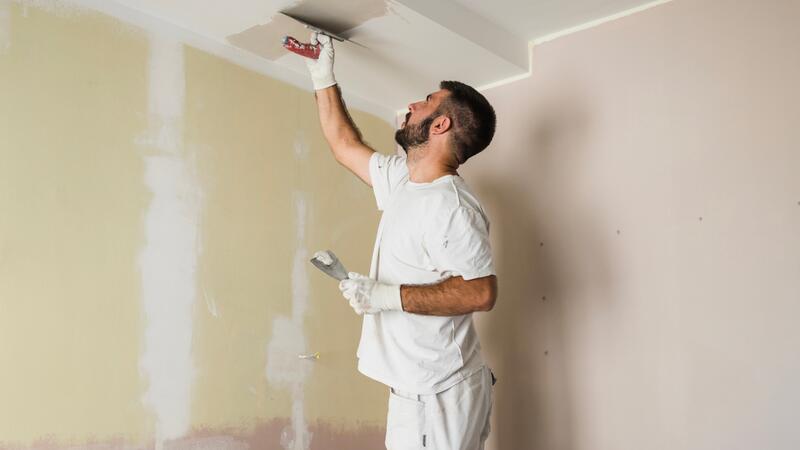
Proper patching requires the right materials for each situation. Small nail holes get spackle, but larger damage needs mesh tape and joint compound applied in multiple thin coats. Kansas City's seasonal temperature swings can cause settlement cracks, which require flexible caulk rather than rigid patching compound.
Allow adequate drying time between repair coats – rushing this step leads to visible patch marks in your final paint job. Sand repairs smooth and prime them separately before painting to ensure uniform sheen and color.
Sanding for Optimal Adhesion
Sanding isn't about removing all existing paint; it's about creating microscopic texture that helps new paint bond properly. Use 150-grit sandpaper for most surfaces, progressing to 220-grit for final smoothing on woodwork.
After sanding, vacuum all dust and wipe surfaces with a tack cloth. Paint won't adhere properly to dusty surfaces, no matter how high-quality your materials are.
Choosing the Right Paint and Primer for Kansas City Conditions
Kansas City's continental climate presents unique challenges for interior paint. Our hot, humid summers and cold, dry winters create significant temperature and humidity fluctuations that interior paints must withstand.
Paint Quality Matters More Than You Think
Investing in premium paint from reliable manufacturers like Sherwin-Williams delivers better coverage, durability, and appearance than budget alternatives. High-quality paints contain more titanium dioxide for superior hiding power and higher-grade resins for better adhesion and flexibility.
Expect to pay $45-65 per gallon for premium interior paint, compared to $25-35 for builder-grade options. The price difference pays for itself through better coverage (meaning you need less paint) and longer-lasting results.
Primer Selection Strategy
Many homeowners skip primer to save time and money, but this decision often backfires. Primer serves multiple critical functions: sealing surfaces, improving paint adhesion, and ensuring uniform color coverage.
Use high-adhesion primer when painting over glossy surfaces or switching from oil-based to latex paint. For dramatic color changes – especially when going from dark to light colors – tinted primer matching your finish paint saves additional topcoats.
Stain-blocking primer becomes essential when dealing with water stains, crayon marks, or bleeding from wood tannins. These issues will show through regular paint no matter how many coats you apply.
Understanding Paint Finishes
Paint sheen affects both appearance and durability. Flat finishes hide surface imperfections best but offer limited washability. Eggshell and satin provide good durability while still concealing minor flaws. Semi-gloss and gloss finishes offer maximum washability but highlight every surface imperfection.
In Kansas City homes, we typically recommend eggshell for living areas, satin for high-traffic spaces like hallways and children's rooms, and semi-gloss for bathrooms and kitchens where moisture resistance matters most.
Professional Painting Sequence and Technique
The order in which you paint surfaces significantly impacts your final results. Professional painters follow a specific sequence that minimizes touch-ups and creates the cleanest possible finish lines.
The Correct Painting Order
Always paint trim first, then ceilings, and finally walls. This sequence allows you to cut precise lines without worrying about getting ceiling paint on freshly painted walls or wall paint on completed trim work.
When painting trim first, don't worry about perfect cut lines where trim meets walls – you'll correct these when painting walls. Focus on achieving smooth, even coverage on the trim itself.
Ceiling Painting Best Practices
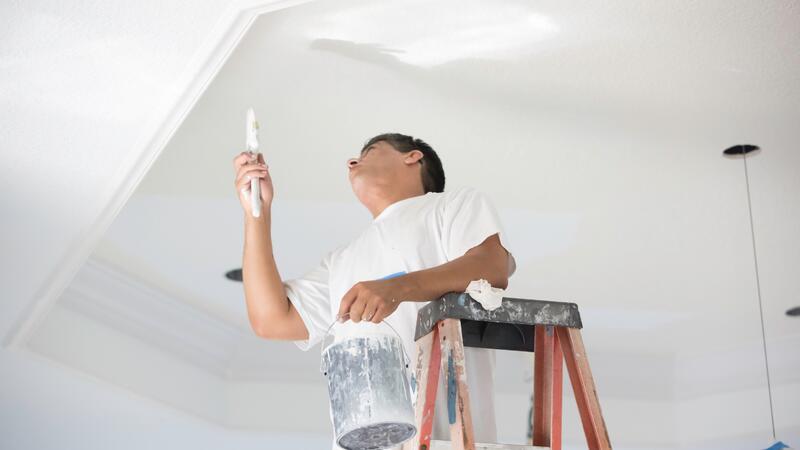
Ceilings present unique challenges due to gravity and viewing angles. Use a high-quality angled brush to cut a three-inch band around the room's perimeter, then roll the field area.
Maintain a wet edge when rolling ceilings to avoid lap marks. Work in sections small enough to complete before the paint begins to set up – typically 4-5 feet square in normal Kansas City humidity conditions.
Apply two coats on ceilings for uniform coverage and color saturation. Many painters try to get away with single coats, but this often results in streaky appearance and poor hiding of existing colors.
Wall Painting Techniques
Cut in walls using a high-quality angled brush, maintaining steady hand pressure for consistent line width. Professional painters can cut accurate lines freehand, but homeowners often achieve better results using high-quality painter's tape applied properly.
When taping, press edges firmly with a putty knife to prevent paint bleeding. Remove tape while the paint is still slightly wet to avoid peeling dried paint film.
Roll walls using a systematic pattern – typically "W" or "M" shapes to distribute paint evenly, then roll parallel to maintain uniform texture. Overlap each pass by about 30% to ensure complete coverage.
Tools and Materials That Make the Difference
Professional results require professional-grade tools. While you don't need to buy everything a contractor uses, investing in key items dramatically improves your results.
Essential Brush Selection
High-quality brushes hold more paint, provide better control, and create smoother finishes than cheap alternatives. For latex paints, synthetic bristles perform better than natural bristles, which can become soggy and lose their shape.
Invest in several brush sizes: 2-inch angled brush for cutting in walls, 1.5-inch angled brush for trim work, and various straight brushes for different detail work. Expect to spend $15-25 per brush for professional-quality tools.
Clean brushes thoroughly between coats and at project completion. Proper care makes quality brushes last for years of projects.
Roller Selection and Technique
Roller nap length affects finish texture and paint pickup. Use 3/8-inch nap for smooth surfaces, 1/2-inch nap for lightly textured walls, and 3/4-inch nap for heavily textured surfaces.
High-quality roller covers cost more but provide better paint release and create more uniform finishes. Cheap roller covers shed lint and create stippled textures that look unprofessional.
Use roller screens or grids in five-gallon buckets for better paint loading than roller trays. This approach reduces dripping and allows for more consistent paint pickup.
Protection and Preparation Materials
Heavy-duty canvas drop cloths provide better floor protection than plastic sheeting, which can be slippery and tear easily. Invest in quality drop cloths that you can reuse for multiple projects.
High-quality painter's tape costs more but provides cleaner lines and removes without damaging surfaces. Remove tape within the manufacturer's recommended timeframe to avoid adhesive residue.
Color Selection and Design Considerations
Choosing the right colors involves more than personal preference. Understanding how colors interact with your space, lighting, and existing décor helps create cohesive, appealing results.
Understanding Light and Color
Kansas City homes often feature traditional architecture with varying amounts of natural light. North-facing rooms receive cooler, indirect light that can make colors appear muted, while south-facing rooms get warm, direct sunlight that intensifies colors.
Test paint colors in different lighting conditions throughout the day. Colors that look perfect under store lighting may appear completely different in your home's unique lighting situation.
Consider both natural and artificial lighting when selecting colors. LED bulbs have different color temperatures than incandescent bulbs, affecting how paint colors appear in evening hours.
Creating Flow Between Rooms
Successful whole-house color schemes create visual flow while allowing each room its own character. Use varying shades of the same color family, or select colors that share common undertones.
In open floor plan Kansas City homes, consider sight lines between spaces when selecting colors. Dramatic color changes work better when separated by architectural elements like archways or columns.
Accent Wall Strategies
Accent walls can add visual interest without overwhelming a space, but they require careful planning. Choose the wall that naturally draws attention – often the one behind a bed or sofa.
Dark accent walls work best in rooms with abundant natural light, while lighter accent colors suit rooms with limited natural light. Consider the room's purpose and mood when selecting accent colors.
Timing and Environmental Considerations
Kansas City's climate significantly affects interior painting projects. Understanding optimal conditions helps ensure proper paint application and curing.
Best Seasons for Interior Painting
Spring and fall offer ideal conditions for interior painting in Kansas City, with moderate temperatures and humidity levels. These seasons provide consistent conditions that help paint dry and cure properly.
Avoid painting during extreme weather when heating or cooling systems create significant indoor humidity fluctuations. High humidity slows paint drying and can cause adhesion problems.
Winter painting projects require careful attention to humidity levels, especially in rooms with poor ventilation. Use fans to promote air circulation and maintain consistent temperatures throughout the painting process.
Managing Humidity and Ventilation
Proper ventilation helps paint dry evenly and prevents moisture-related problems. Open windows when weather permits, and use fans to promote air circulation.
Monitor humidity levels with a simple hygrometer – ideal painting conditions fall between 40-50% relative humidity. Higher humidity slows drying times and can cause paint to sag or run.
Temperature Considerations
Maintain consistent temperatures between 65-75°F during painting and initial curing. Significant temperature swings can cause paint film problems and affect final appearance.
Paint continues curing for weeks after application, so maintain reasonable temperature stability during this period. Avoid hanging pictures or furniture placement against fresh paint for at least two weeks.
Quality Control and Final Inspection
Professional painters conduct thorough inspections at multiple project stages. This attention to detail ensures consistent quality and identifies issues while they're still easy to correct.
During-Process Quality Checks
Inspect each coat while still wet, looking for missed spots, thin coverage, or application defects. Correcting issues immediately prevents time-consuming touch-ups later.
Maintain consistent lighting during application and inspection. Use portable work lights to supplement natural lighting and reveal potential problems.
Check cut lines and trim work carefully, touching up any imperfections before moving to the next surface. Clean, precise lines distinguish professional-quality work from amateur results.
Final Walk-Through Process
Conduct a systematic final inspection in daylight conditions when possible. Look for missed spots, thin coverage, drips, or brush marks that need attention.
Check all trim and cut lines under different lighting conditions. What looks acceptable under artificial light may show defects in natural daylight.
Allow adequate curing time before declaring the project complete. Fresh paint may look finished but still be vulnerable to damage from cleaning or normal use.
Maintenance and Long-Term Care
Proper maintenance extends the life of your interior paint job and keeps your home looking fresh longer. Understanding care requirements helps protect your investment.
Cleaning and Touch-Up Strategies
Establish cleaning routines appropriate for each paint finish. Flat paints require gentle cleaning with minimal moisture, while semi-gloss finishes tolerate more aggressive cleaning.
Keep touch-up paint properly stored in labeled containers. Paint can separate or thicken over time, so stir thoroughly before use and test in inconspicuous areas.
Document paint colors and sources for future reference. Color matching becomes difficult when you can't remember specific paint names or manufacturers.
When to Schedule Repainting
Interior paint typically lasts 5-10 years depending on usage, quality, and environmental conditions. High-traffic areas may need attention sooner than low-use spaces.
Watch for early warning signs: fading, chalking, or areas where paint rubs off easily. Addressing these issues promptly prevents more extensive problems.
Consider proactive maintenance painting before problems become severe. Spot priming and painting maintains appearance and prevents larger-scale projects.
Frequently Asked Questions
Q: How long should I wait between primer and paint coats?
Proper drying time between coats ensures optimal adhesion and appearance. Most high-quality primers dry to the touch in 2-4 hours but should cure for at least 4-6 hours before applying paint in Kansas City's typical humidity conditions. Oil-based primers require longer drying times – typically 12-16 hours. Always check manufacturer specifications, as products vary. Rushing between coats can cause adhesion problems, color irregularities, and premature paint failure. When in doubt, wait longer rather than rushing the process.
Q: What's the best way to paint around electrical outlets and switches?
Safety comes first when painting around electrical fixtures. Turn off power at the breaker box before removing outlet and switch plate covers. Clean covers separately and paint if desired, or replace with new ones. Use a small angled brush to carefully paint around outlet boxes, maintaining steady hand pressure for clean lines. For the best results, remove the actual outlets and switches after turning off power, allowing complete painting behind the fixtures. This approach creates the most professional appearance and prevents paint buildup around edges.
Q: How do I prevent paint from peeling in high-humidity areas like bathrooms?
Bathroom painting requires special attention due to moisture exposure. Start with proper ventilation – install exhaust fans if needed and run them during and after showers. Use high-quality primer specifically designed for moisture-prone areas, followed by paint with mildew-resistant properties. Semi-gloss or satin finishes provide better moisture resistance than flat paints. Ensure surfaces are completely clean and dry before painting, and allow extra curing time in humid conditions. Address any underlying moisture issues like leaks or poor ventilation before painting.
Q: Can I paint over wallpaper, or must I remove it first?
While painting over wallpaper might seem like a time-saver, removal usually provides better long-term results. If removal isn't practical, test a small area first. The wallpaper must be firmly adhered with no loose edges or bubbles. Clean thoroughly and apply high-adhesion primer before painting. Textured wallpapers will show through paint, affecting the final appearance. Vinyl wallpapers may not accept paint properly. For best results, especially in Kansas City homes where humidity changes can affect wallpaper adhesion, plan on removal before painting.
Q: What's the difference between expensive and cheap paint brushes?
High-quality brushes hold more paint, provide better control, and create smoother finishes. Premium brushes feature flagged bristle tips that hold paint better and release it more evenly. The ferrule (metal band) stays tight, preventing bristle loss during use. Quality brushes maintain their shape longer and clean more thoroughly, lasting through multiple projects. Cheap brushes often shed bristles, create streaky finishes, and lose their effectiveness quickly. For cutting in and detail work, the improved control and finish quality of premium brushes justifies the higher cost.
Q: How do I choose the right paint sheen for different rooms?
Paint sheen affects both appearance and durability, so room function should guide your choices. Flat paint hides surface imperfections best but offers limited washability – ideal for adult bedrooms and formal dining rooms. Eggshell provides subtle sheen while hiding minor flaws, perfect for living rooms and family rooms. Satin finishes offer good durability for higher-traffic areas like hallways and children's rooms. Semi-gloss works best in kitchens, bathrooms, and on trim work where moisture resistance and easy cleaning matter most. Higher sheens highlight surface imperfections, so surface preparation becomes more critical.
Transform Your Kansas City Home with Professional Results
Achieving stunning interior painting results requires more than good intentions and weekend effort. The techniques and best practices outlined here represent years of experience working in Kansas City homes, dealing with everything from historic Brookside bungalows to modern Overland Park residences.
While these professional insights can help guide your project decisions, nothing replaces the expertise, efficiency, and guarantee that comes with hiring experienced professionals. At KC Painting, we've refined our interior painting process through hundreds of Kansas City area projects, developing specialized techniques that address our region's unique challenges.
Our team understands how Kansas City's climate affects paint selection and application, which products perform best in local conditions, and how to achieve lasting results that protect your investment. We use only premium Sherwin-Williams paints and professional-grade materials, backed by comprehensive preparation that ensures exceptional durability.
Whether you're planning a single room refresh or a whole-house transformation, KC Painting brings the expertise and attention to detail that delivers results you'll love for years to come. We serve Kansas City and all surrounding areas, providing free estimates and honest advice about your interior painting project.
Ready to transform your home with professional interior painting? Call KC Painting today at (816) 281-7039 to schedule your free estimate. Let us show you the difference that professional expertise and proven best practices make in creating the beautiful, lasting interior paint job your Kansas City home deserves.