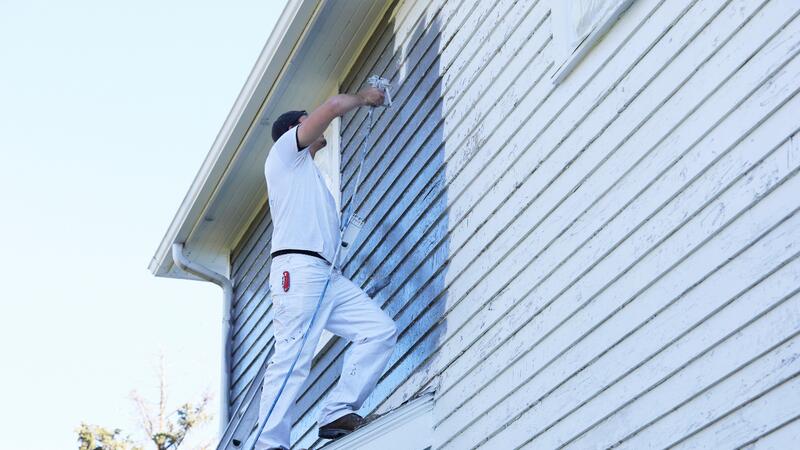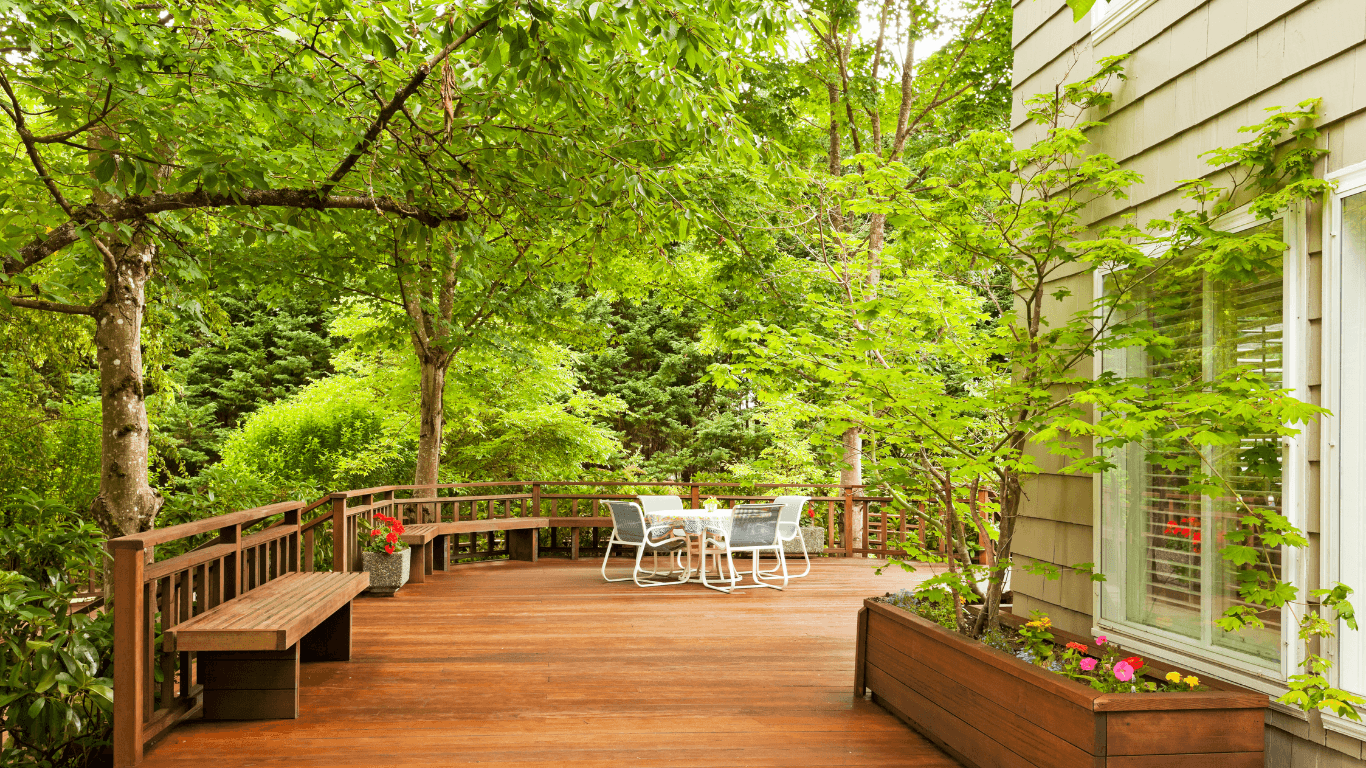
Your deck and fence aren't just parts of your property; they're extensions of your home, spaces where memories are made, laughter rings out, and quiet moments are savored. They represent a significant investment in your outdoor living experience here in Kansas City, MO. However, these beautiful wooden structures are constantly battling against the elements – the blistering summer sun, the harsh winter freezes, the relentless spring rains, and the ever-present humidity of the Midwest. Without proper protection, that vibrant wood can quickly turn dull, cracked, and weather-beaten, diminishing both its beauty and its lifespan.
At KC Painting, we've spent years transforming and protecting outdoor spaces across Kansas City and the surrounding communities. We've seen firsthand the difference that a high-quality stain and professional application can make. But here's a secret that many homeowners overlook: when you stain your deck or fence is almost as important as how you stain it, especially in a region with such dynamic weather patterns as ours. Timing, in our professional experience, is everything. Apply a stain under the wrong conditions, and you could be looking at a compromised finish, wasted materials, and the need for premature re-application. Apply it at the right time, and you're ensuring maximum adhesion, durability, and a stunning finish that will protect your investment for years to come.
So, if you've been wondering, "When is the absolute best time to stain my deck or fence in Kansas City?" you've come to the right place. As your local painting and staining experts, we're here to share our deep knowledge of Kansas City's climate and how to leverage it for the best possible results. Let's dive into the nuances of our local weather and pinpoint that 'Goldilocks zone' for deck and fence staining, ensuring your outdoor areas look fantastic and stand the test of time.
Understanding Kansas City's Unique Climate for Exterior Staining
Kansas City, Missouri, is known for its distinct four seasons, each bringing its own set of challenges and opportunities when it comes to exterior painting and staining projects. The unpredictable nature of our weather, often swinging from one extreme to another, makes careful planning paramount. Understanding these climatic nuances is the first step in determining the optimal time to protect your valuable wood surfaces.
The Four Seasons: A Staining Perspective
Let's break down how each season typically impacts the viability of staining projects in our Kansas City environment:
Spring (March - May): Ah, spring! The season of renewal, budding trees, and... unpredictable weather. While the warmer temperatures might tempt you to jump straight into staining, spring in Kansas City is notoriously fickle. We often experience significant temperature fluctuations, with warm, sunny days quickly giving way to cold, damp nights. More critically, spring is our wettest season. Frequent rain showers, sometimes intense thunderstorms, and persistently high humidity levels can make finding a sufficiently long dry window for both preparation and application incredibly challenging. Pollen can also be an issue, settling on freshly cleaned surfaces before stain application.
Summer (June - August): Kansas City summers are synonymous with heat and humidity. While you'll certainly have plenty of dry days, the intense heat and direct sunlight pose a different set of problems for staining. High temperatures can cause stain to dry too quickly on the surface, leading to lap marks, uneven penetration, and a compromised cure. The wood itself can become excessively hot, further accelerating drying and potentially trapping moisture if the humidity is also high. While early mornings might offer a brief window of opportunity, the overall conditions are far from ideal for achieving a uniform, long-lasting finish.
Fall (September - November): As we transition into fall, Kansas City often blesses us with some of the most stable and favorable weather conditions of the year for exterior staining. The scorching summer heat begins to subside, leading to cooler, more moderate daytime temperatures. The relentless humidity also typically decreases, creating a drier atmosphere that is perfect for stain application and proper curing. While occasional rain can still occur, it's generally less frequent and intense than in spring, allowing for longer stretches of dry weather. The crisp air and beautiful foliage make it a pleasant time to work outdoors, and the stable conditions are a professional painter's dream for achieving optimal results.
Winter (December - February): Winter in Kansas City is, without question, the worst time to consider staining your deck or fence. Freezing temperatures are the primary culprit, as most stains require temperatures well above freezing (typically 50°F or higher) for proper adhesion and curing. Cold temperatures slow down or halt the chemical reactions necessary for the stain to bond with the wood, leading to poor penetration, flaking, peeling, and a significantly reduced lifespan. Furthermore, lingering moisture, ice, and snow make proper surface preparation impossible, and working in such conditions is both uncomfortable and ineffective.
Humidity and Temperature: The Twin Enemies (or Friends) of Stain
Beyond the general seasons, two specific atmospheric factors hold immense power over the success of your staining project: humidity and temperature. For a stain to perform optimally, it needs to penetrate the wood evenly and then cure at a controlled rate. Both extremes of humidity and temperature can disrupt this delicate process.
Humidity: Wood is a hygroscopic material, meaning it absorbs and releases moisture from the air. High humidity means the wood is already saturated with moisture, preventing the stain from penetrating deeply and bonding effectively. This leads to a superficial coating that is prone to early failure. Conversely, extremely low humidity (rarely an issue in KC but worth noting) can cause some water-based stains to dry too quickly. The ideal relative humidity for staining is typically between 40% and 70%. In Kansas City, spring and summer often push beyond this upper limit, while fall usually settles nicely within it.
Temperature: Stain manufacturers universally recommend specific temperature ranges for application and curing. Generally, this range is between 50°F and 85°F (10°C and 30°C). Below 50°F, stains become thick and difficult to apply, and their curing process slows down dramatically or halts entirely. This can lead to improper adhesion, stickiness, and a lack of durability. Above 85°F, especially in direct sunlight, the stain can dry too rapidly on the surface, creating lap marks, uneven color, and preventing deeper penetration. This 'skinning over' effect means the stain doesn't have enough time to soak into the wood fibers, resulting in a less protective and shorter-lived finish. In Kansas City, fall mornings and early afternoons often provide these 'just right' temperatures, avoiding both the chill of late spring mornings and the intense heat of summer afternoons.
Considering these factors, it becomes clear why specific times of the year in Kansas City stand out as superior for deck and fence staining. For KC Painting, our expertise is built on understanding these very local conditions to deliver lasting quality.
The Goldilocks Zone: Why Early Fall is Often Best for Staining in Kansas City
If there's a season that professional painters and homeowners alike dream of for exterior staining in Kansas City, it's undoubtedly early to mid-fall. This period typically offers a unique convergence of ideal environmental conditions that are absolutely critical for achieving a beautiful, durable, and long-lasting stained finish on your deck or fence. We often refer to this as the 'Goldilocks Zone' – not too hot, not too cold, not too wet, but just right.
Ideal Temperature Windows
The optimal temperature range for applying and curing most deck and fence stains falls between 50°F and 75°F (10°C to 24°C). This range allows the stain to penetrate the wood effectively, spread smoothly, and cure properly without drying too quickly or too slowly. Early fall in Kansas City consistently delivers these pleasant, moderate temperatures.
Consider the difference:
Spring Mornings vs. Fall Afternoons: While a spring afternoon might reach 65°F, a spring morning could still be in the low 40s, making it challenging to start early without risking cold-temperature adhesion issues. Conversely, a fall morning might be in the comfortable 50s, warming up to the perfect 70s by midday, allowing for a full day of productive work under ideal conditions. The lack of extreme temperature swings between day and night in fall is also beneficial, as it reduces the expansion and contraction of the wood, promoting more stable curing.
Surface Temperature Matters: It's not just the ambient air temperature; the surface temperature of the wood itself is equally important. In summer, direct sunlight can heat wood surfaces to well over 100°F, even if the air temperature is only 85°F. This intense surface heat causes rapid evaporation of solvents, leading to poor penetration and uneven color. In fall, the sun's angle is lower, and its intensity is reduced, meaning wood surfaces typically remain within the optimal 50-75°F range for longer periods throughout the day, ensuring the stain has adequate working time and proper absorption.
Lower Humidity Levels
Humidity is a silent killer of many DIY staining projects. Wood, being a porous material, readily absorbs moisture from the air. If the relative humidity is too high, the wood fibers are already saturated, leaving little room for the stain to penetrate deeply and bond effectively. This results in a superficial layer of stain that sits on top of the wood rather than soaking in, making it prone to early peeling, flaking, and premature wear.
Early fall in Kansas City typically brings significantly lower and more stable humidity levels compared to the often muggy spring and summer months. This drier atmosphere allows the wood to fully release any residual moisture, becoming perfectly receptive to the stain. When the wood is dry and 'thirsty,' it draws the stain in deeply, ensuring maximum penetration and superior adhesion. This deeper penetration is what gives the stain its long-term protective qualities, shielding the wood from future moisture intrusion and UV damage. Our experience at KC Painting has shown that a successful stain relies heavily on this optimal wood dryness.
Reduced Precipitation
Another critical factor for successful staining is a sustained period of dry weather. Not only does the wood need to be thoroughly dry before staining (often requiring 2-3 days of dry weather after cleaning or rain), but the stain also needs several hours to dry to the touch and ideally 24-48 hours to begin its initial cure after application, without exposure to rain or heavy dew.
Kansas City's spring and early summer are notorious for pop-up thunderstorms and prolonged rainy periods, making it a gamble to schedule multi-day staining projects. Imagine spending a full day on meticulous prep work, only for an unexpected shower to roll through hours after you've applied the first coat. This can wash away uncured stain, leave unsightly water spots, or worse, trap moisture beneath the fresh finish, leading to future problems.
Fall, by contrast, generally sees a significant reduction in both the frequency and intensity of rainfall. While rain can never be entirely ruled out, the extended dry spells are much more common, allowing for the necessary multi-day windows for cleaning, drying, application, and initial curing. This reduced precipitation risk translates directly into a higher probability of a successful, uninterrupted staining project and a finish that lives up to its full potential. For any homeowner in Kansas City, MO, seeking to protect their deck or fence, fall simply offers the most reliable weather conditions.
Other "Good Enough" Times: Navigating Spring and Late Summer Staining
While early fall holds the crown for ideal staining conditions in Kansas City, sometimes life (or a rapidly deteriorating deck) dictates that you can't wait. There are windows in other seasons that can be utilized, but they come with their own set of challenges and require much more diligent planning and execution. At KC Painting, we're adept at navigating these trickier times, but it's crucial for homeowners to understand the compromises involved.
Spring Staining: Opportunities and Pitfalls
Spring (late April to early June) can be a tempting time to tackle your deck or fence. The days are getting longer, the urge to refresh outdoor spaces is strong, and winter's gloom is finally lifting.
Pros: Longer daylight hours provide more time to work. The temperatures are generally milder than summer, and the wood, after a winter's dormancy, often seems ready for a refresh. Many homeowners prefer to get these projects done early to enjoy their outdoor spaces all summer long. From a planning perspective, securing a professional contractor like KC Painting might be easier before the peak summer rush fully kicks in.
Cons: These are substantial in Kansas City. As discussed, spring is notoriously wet and unpredictable. Pop-up showers, extended periods of rain, and high humidity can stretch a 2-day project into a week-long ordeal, constantly battling moisture. Morning dew can be heavy, requiring late starts. Pollen is also a major concern; a freshly cleaned surface can quickly become coated with a fine layer of yellow pollen, which can get trapped under the stain if not meticulously removed. Fluctuating temperatures can also be an issue, with warm afternoons followed by chilly nights potentially impacting the stain's cure rate.
Tips for Successful Spring Staining: If spring is your only option, meticulous weather monitoring is non-negotiable. Watch the forecast like a hawk for at least a 3-4 day dry window. Consider faster-drying, water-based stains that are less susceptible to sudden temperature drops and can achieve 'rain-ready' status more quickly. Start cleaning early in the season to ensure wood has ample time to dry before your chosen application window. Always have tarps ready for unexpected showers, and be prepared to wipe down surfaces for pollen right before staining. For complex spring staining projects in Kansas City, involving professional expertise often mitigates many of these risks.
Late Summer: The Window Before Fall
Late summer (late August to early September) can offer a brief, often overlooked window of opportunity, particularly as the region begins to transition out of the oppressive heat and humidity of mid-summer.
Pros: By late August, the most intense heatwaves usually subside in Kansas City, and there's often a noticeable dip in daily humidity levels. Daylight hours are still ample, allowing for productive workdays. The risk of persistent heavy rain starts to decrease compared to early summer. For those who missed the spring window and can't wait until peak fall, late summer can provide a viable alternative.
Cons: While better than mid-summer, temperatures can still be quite warm, especially in direct sunlight during the afternoon. This means stain can still dry too quickly if not managed carefully, leading to potential lap marks. Afternoon thunderstorms, while less frequent than in spring, can still roll through unexpectedly. The wood might also be more weathered from a season of sun exposure, potentially requiring more intensive preparation.
Tips for Successful Late Summer Staining: Schedule your staining for cooler days within this period. Work in the shade as much as possible, or restrict application to early mornings and late afternoons when temperatures are more moderate and the sun's intensity is lower. Keep an eye on the forecast for both heat advisories and potential storm fronts. Ensure your prep work is thorough, as the wood might be drier and more prone to splintering or have more visible sun damage. Consider stains with enhanced UV protection, which are essential for any outdoor wood in Kansas City, MO, given our intense summer sun. While not ideal, with careful planning, late summer can be a "good enough" alternative.
The Absolute Worst Times to Stain Your Deck or Fence in Kansas City
Just as there are optimal times for staining, there are also periods when attempting to stain your deck or fence is not only ill-advised but can lead to outright failure, wasted money, and a significant headache. As seasoned professionals in Kansas City, KC Painting strongly urges homeowners to avoid these periods at all costs, regardless of how tempting it might be to get the job done.
Winter: Freezing Temperatures and Moisture Trapping
Winter in Kansas City, from roughly December through February, is unequivocally the worst time for exterior staining. There are several critical reasons why this season guarantees subpar results:
Freezing Temperatures: Most stains, whether oil-based or water-based, are formulated to be applied and cure at temperatures well above freezing, typically 50°F (10°C) or higher. When temperatures dip below this threshold, the chemical reactions required for the stain to penetrate and bond with the wood slow down dramatically or stop altogether. This can lead to improper adhesion, causing the stain to sit on the surface like a film, unable to truly soak into the wood fibers. The result is a finish that will crack, peel, and delaminate prematurely, offering virtually no protection.
Substrate Temperature vs. Air Temperature: Even if a winter day briefly hits 45°F, the wood surface itself (the 'substrate') will likely be much colder, especially if it's been exposed to freezing nights. This cold wood will reject the stain or cause it to dry unevenly and improperly.
Moisture Trapping: Winter often brings snow, ice, frost, and high humidity, even on dry days. This moisture can become trapped beneath a freshly applied stain that hasn't cured properly due to the cold. Trapped moisture leads to mildew, mold, and premature wood rot, undermining the very purpose of staining. Furthermore, proper cleaning and drying of the wood, essential steps before staining, are nearly impossible during winter conditions.
Freezing of Water-Based Stains: Many water-based stains are susceptible to freezing in their liquid state. Applying a stain that has been compromised by freezing will lead to complete failure.
Mid-Summer: Intense Heat and UV Rays
While winter presents issues with cold, mid-summer (July and early August) in Kansas City brings the opposite extreme: intense heat and searing UV radiation, which are equally detrimental to a successful stain application.
Too Fast Drying: High temperatures and direct sunlight cause stain solvents to evaporate rapidly, often leading to the stain 'skinning over' on the surface before it has a chance to penetrate properly. This results in uneven color, noticeable lap marks (where wet and dry sections meet), and a finish that sits on the surface rather than soaking into the wood. Such a superficial coat offers diminished protection and will quickly wear away.
Uneven Application and Lap Marks: The rapid drying makes it incredibly difficult to maintain a wet edge, which is crucial for a smooth, uniform finish. This is especially true for large surfaces like decks or long fences. Trying to work quickly to avoid lap marks can lead to sloppy application and missed spots.
Premature Fading: The intense UV rays of mid-summer can begin to break down the stain's pigments and binders almost immediately upon application, even before it has fully cured. This can lead to premature fading and a significantly reduced lifespan of the finish, especially for transparent or semi-transparent stains.
Working Conditions: Applying stain in extreme heat is not only bad for the stain but also incredibly uncomfortable and potentially unsafe for the person doing the work. Dehydration and heat exhaustion are real risks.
During or Immediately After Rain/Heavy Dew
This might seem obvious, but it's a mistake that homeowners, eager to get the job done, sometimes make.
Moisture Contamination: Stains require a dry surface for proper adhesion. Even slightly damp wood will prevent the stain from penetrating effectively, leading to poor bonding and rapid failure. Rain, heavy dew, or even high humidity that saturates the wood will compromise the finish.
Wash-Off Risk: If rain occurs within a few hours of applying stain (especially water-based varieties), it can wash away the uncured stain, leaving streaks, bare spots, or an entirely ruined finish. This means starting the entire process over, including cleaning, drying, and re-application, leading to significant material and time waste.
Mold and Mildew Growth: Trapping moisture beneath a fresh stain creates a perfect breeding ground for mold and mildew, which will quickly discolor and degrade the wood and the finish. Always ensure at least 2-3 days of completely dry weather before staining, and ideally, 24-48 hours of dry weather after the final coat has been applied. KC Painting always prioritizes dry conditions to ensure the integrity of your deck or fence staining project in Kansas City.
Avoiding these times ensures that your effort and investment in protecting your Kansas City home's exterior wood surfaces yield the best possible, long-lasting results.
Beyond Timing: Crucial Steps for a Flawless Finish (No Matter When You Stain)
While choosing the right time of year is paramount for staining success in Kansas City, even the most perfectly timed project can fall short without meticulous attention to other critical details. A flawless, long-lasting finish is the result of a combination of factors, from thorough preparation to careful product selection and expert application. At KC Painting, we emphasize these steps as foundational to every deck and fence staining project we undertake.
Surface Preparation is King
This cannot be overstated: the longevity and appearance of your stained deck or fence are directly proportional to the quality of your surface preparation. Skimping on prep guarantees premature failure, no matter how good your stain or how perfect the weather.
Cleaning: The first step is to remove all dirt, grime, mildew, algae, and loose wood fibers.
- Power Washing: For heavily soiled or weathered wood, power washing is often the most effective method. However, caution is key: too high a PSI (pounds per square inch) or holding the nozzle too close can damage wood fibers, leaving permanent 'fuzzies' or gouges. A professional knows the right pressure (typically 1200-1500 PSI for softwoods, higher for hardwoods) and technique to clean effectively without causing damage. Always work with the grain.
- Chemical Cleaners: For lighter dirt or mildew, specialized deck and fence cleaners (often oxygenated bleach solutions or oxalic acid-based brighteners) can be highly effective. These are applied, allowed to dwell, and then scrubbed and rinsed. They often restore the wood's natural pH and brighten its appearance. Always follow manufacturer instructions and wear appropriate PPE.
- Post-Cleaning Drying: After cleaning, the wood must be allowed to dry completely. This typically takes 2-3 sunny, dry days, especially in Kansas City's often-humid climate. Using a moisture meter can confirm the wood's moisture content is below 15%, which is ideal for staining. Rushing this step is a primary cause of stain failure.
Sanding (When Necessary): For rough spots, splinters, or areas where the wood has 'fuzzed up' from power washing, light sanding (80-100 grit for decks, 60-80 grit for fences) can create a smoother, more uniform surface for stain absorption. This also helps open the wood's pores, allowing for deeper penetration. Always sand with the grain and remove all sanding dust before staining.
Old Stain Removal: If your deck or fence has old, peeling, or failing stain, it must be completely removed. Stains are designed to penetrate, not form a thick film. Applying new stain over old, failing stain will only result in the new stain peeling off with the old. Chemical strippers are effective but require careful handling and neutralization. Sometimes, a combination of power washing and stripping is necessary. For solid stains, removing all previous coats can be very labor-intensive but critical for a lasting new finish.
Choosing the Right Stain for Kansas City Weather
The vast array of stain products can be overwhelming, but selecting the right type is crucial for performance against Kansas City's weather extremes.
Oil-based vs. Water-based:
- Oil-based: Historically preferred for deep penetration and durability, especially on older, drier wood. They tend to have longer open times (working time before drying) and provide excellent protection against moisture. However, they can take longer to dry, have higher VOCs (volatile organic compounds), and clean-up requires mineral spirits. They can also darken wood over time.
- Water-based: More environmentally friendly with lower VOCs, faster drying times, and easier soap-and-water cleanup. Modern water-based stains have come a long way in terms of durability and UV resistance, often incorporating acrylic resins for flexibility. They are an excellent choice for newer wood or when rapid drying is needed (e.g., in spring). However, they can sometimes raise the wood grain more than oil-based stains.
Transparent, Semi-transparent, Solid: This refers to the amount of pigment in the stain, which dictates both appearance and protection level.
- Transparent: Contains very little pigment, allowing the natural wood grain and color to show through entirely. Offers excellent UV protection but less color retention. Reapplication every 1-2 years is common.
- Semi-Transparent: Contains more pigment than transparent, providing a hint of color while still allowing some wood grain to show. Offers good UV protection and slightly longer lifespan (2-3 years). This is a very popular choice for decks and fences in Kansas City, striking a balance between natural beauty and robust protection.
- Solid: Acts more like a thin paint, completely obscuring the wood grain but allowing texture to show. Offers the most UV protection and the longest lifespan (3-5 years or more). Excellent for older, weathered wood that needs significant color revitalization or where wood imperfections need to be hidden. Solid stains are often chosen for privacy fences or older decks needing a complete aesthetic overhaul.
UV Protection and Mildew Resistance: For Kansas City's climate, these are non-negotiables. The intense summer sun can quickly break down a stain, leading to graying wood and fading color. A high-quality stain will contain UV inhibitors to combat this. Similarly, the humidity and moisture in our region make mold and mildew a constant threat. Look for stains with built-in mildewcides to resist fungal growth and keep your wood looking fresh.
Application Techniques
Proper application ensures even coverage, maximum penetration, and a professional-looking finish.
Tools:
- Brushes: High-quality natural bristle brushes for oil-based stains and synthetic brushes for water-based stains are essential for detail work, edges, and cutting in. They allow for controlled application and working the stain into the wood grain.
- Rollers: For larger, flat surfaces like deck boards, a short-nap roller (e.g., 3/8" or 1/2") can speed up application. However, always follow with a brush (back-brushing) to ensure proper penetration and avoid roller marks.
- Sprayers: For fences, sprayers can be incredibly fast. An airless sprayer is often used by professionals. However, spraying always requires back-brushing to push the stain into the wood and prevent uneven coverage or drips. Masking off surrounding areas is also critical to prevent overspray.
Even Coats and Avoiding Puddling: Apply stain in thin, even coats, working in manageable sections. Avoid applying too much stain, which can lead to puddling, especially on horizontal surfaces. Puddled stain will not penetrate properly, leading to a tacky, uneven, and peeling finish. Always wipe away excess stain that doesn't penetrate within 15-30 minutes, especially with oil-based products.
Working with the Grain: Always apply stain with the wood grain. This ensures the stain penetrates along the natural channels of the wood, leading to a more uniform appearance and better protection.
The Importance of Curing Time
Stain is not fully functional until it has completely cured, which is distinct from being 'dry to the touch.'
Dry to Touch vs. Fully Cured: Stain can feel dry to the touch in a few hours, but full curing, where the stain achieves its maximum hardness and protective properties, can take several days or even weeks, depending on the product, temperature, and humidity. During this curing period, the stain's solvents evaporate, and its resins cross-link and harden.
Protecting During Cure: During the initial curing phase (typically 24-48 hours), avoid heavy foot traffic, dragging furniture, or placing heavy objects on the stained surface. Keep pets off the deck. Rain during this period can still compromise the finish. For Kansas City weather, where conditions can change rapidly, understanding and respecting the full curing time is crucial for the longevity of your deck or fence stain. Our team at KC Painting factors in this cure time into our project planning, ensuring your investment is protected.
The Cost Factor: Budgeting for Your Deck or Fence Staining Project
Understanding the financial aspect of staining your deck or fence is a key part of the planning process. Costs can vary significantly based on several factors, and it's important to consider not just the sticker price but also the value, durability, and peace of mind that comes with professional work. This is where KC Painting offers transparent and competitive pricing for quality service in Kansas City, MO.
DIY vs. Professional: A Realistic Look
Many homeowners consider staining a DIY project to save money. While possible for small, well-maintained structures, it's crucial to have a realistic understanding of what's involved.
DIY Considerations:
- Time: Staining is incredibly time-consuming, especially when factoring in the multi-day prep and drying periods. Do you have several consecutive days to dedicate to this? Often, homeowners underestimate the hours required, leading to rushed work or incomplete projects.
- Effort & Skill: It's physically demanding work, involving cleaning, scrubbing, potentially sanding, and precise application. Achieving a uniform, streak-free finish requires practice and skill, especially on large or intricate surfaces.
- Equipment: You'll need a power washer (rent or buy), cleaners, brushes, rollers, possibly a sprayer, tarps, safety gear, and plenty of rags. This equipment rental/purchase can add up.
- Risk of Mistakes: Improper preparation, wrong product choice, or poor application can lead to blotchy finishes, peeling, and premature failure, meaning you'll have to strip it all off and start again – costing more in time, money, and frustration. This is a common pitfall for homeowners attempting deck or fence staining in Kansas City without prior experience.
Professional Advantages (KC Painting):
- Expertise & Efficiency: A professional team, like KC Painting, brings years of experience and specialized knowledge. We know the best products for Kansas City's climate, the most effective preparation techniques, and efficient application methods to ensure a flawless, long-lasting finish. We work quickly and cleanly.
- Quality & Durability: Our techniques and product choices are designed for maximum durability and aesthetic appeal. We back our work, providing peace of mind that your investment is protected.
- Equipment & Insurance: We have all the necessary professional-grade equipment, and we are fully insured, protecting your property against accidental damage.
- Time Savings: Outsourcing the work frees up your valuable time, allowing you to enjoy your outdoor spaces without the stress and labor of maintenance.
- Guaranteed Results: When you hire a reputable contractor like KC Painting, you're investing in guaranteed, professional results that will protect and enhance your home's value.
What Influences Staining Costs
Several factors contribute to the overall cost of a deck or fence staining project:
Size of the Area: The primary driver of cost is the square footage of the deck, fence, or other wood surfaces to be stained. Larger areas naturally require more materials and labor.
Condition of Existing Surface: This is a major factor.
- New Wood: Requires minimal prep (just cleaning and possibly a light brightening).
- Previously Stained but in Good Condition: May only need a thorough cleaning.
- Weathered/Grayed Wood: Requires more aggressive cleaning and brightening.
- Old, Peeling/Failing Stain: Requires extensive stripping and sanding, which significantly increases labor and material costs. A very dirty or moldy surface will also cost more to clean properly.
Type of Stain Chosen: Premium stains (those with advanced UV inhibitors, mildewcides, and longer warranties) are more expensive per gallon but often offer superior performance and longevity, leading to less frequent reapplication and better long-term value. Transparent stains are generally less expensive than solid stains per gallon due to pigment content.
Complexity of the Structure: Decks with intricate railings, multiple levels, built-in benches, or pergolas require more detailed work and will cost more than a simple, flat deck or a straight fence line. The presence of significant structural repairs needed prior to staining will also add to the overall project cost.
Labor Rates in Kansas City: Professional labor rates vary, but reflect the skill, experience, and efficiency of the crew. KC Painting strives to provide excellent value, combining expert craftsmanship with competitive pricing tailored to the Kansas City market.
Getting an Estimate: What to Expect
When you call KC Painting for a free estimate on your deck or fence staining project in Kansas City, here's what you can expect:
- On-Site Assessment: A knowledgeable representative will visit your property to accurately measure the square footage, assess the current condition of your wood surfaces, identify any needed repairs, and discuss your desired aesthetic (color, transparency).
- Discussion of Options: We'll talk through different stain types (oil vs. water, transparent vs. solid), product recommendations suited for Kansas City's climate, and the pros and cons of each for your specific project.
- Detailed Proposal: You'll receive a comprehensive, written estimate outlining the scope of work, including all preparation steps, materials to be used, labor costs, and the total project price. There will be no hidden fees.
- Questions & Clarifications: We encourage you to ask any questions you have. We want you to feel completely comfortable and informed before moving forward.
When comparing estimates, remember that the cheapest option isn't always the best. Look for a contractor who provides clear details, uses quality materials, is properly insured, and offers a warranty on their work. KC Painting prides itself on being a trusted partner for deck and fence staining across the Kansas City region, committed to delivering outstanding results and customer satisfaction.
FAQ: Your Top Questions About Deck & Fence Staining in Kansas City Answered
As professional painting contractors serving homeowners throughout Kansas City, MO, we get a lot of questions about deck and fence staining. Here are some of the most common inquiries, with detailed answers to help you make informed decisions about your outdoor wood surfaces.
Q: How often should I stain my deck/fence in Kansas City?
A: The frequency of re-staining depends largely on the type of stain you've chosen, the wood's exposure to elements, and the amount of wear and tear it experiences. Generally, a transparent stain might need re-application every 1-2 years. A semi-transparent stain, which offers more pigment and UV protection, typically lasts 2-3 years. Solid stains, being the most durable and paint-like, can often go 3-5 years or even longer before needing a refresh. Factors like direct sun exposure, heavy foot traffic on a deck, and the harsh Kansas City weather (intense summers, freezing winters) can accelerate the need for re-staining. We recommend inspecting your surfaces annually for signs of fading, graying, water absorption, or peeling, and scheduling a re-stain at the first signs of wear to prevent more costly damage.
Q: Can I stain over old stain?
A: This is a tricky question with a nuanced answer: it depends. If the old stain is in excellent condition – meaning it's still adhering well, not peeling, flaking, or severely faded, and you're using the same type of stain (e.g., oil over oil, or a compatible water-based over water-based) – then a thorough cleaning and re-application of a maintenance coat might be sufficient. However, if the old stain is peeling, flaking, or significantly worn, or if you're switching stain types (e.g., from oil to water-based, or vice-versa), then it's almost always best to strip or remove the old stain completely. Applying new stain over a failing old coat will only lead to the new stain peeling off with the old, resulting in a significantly compromised and short-lived finish. At KC Painting, we typically recommend a full removal for optimal, long-lasting results.
Q: What if it rains unexpectedly after I stain?
A: The impact of unexpected rain after staining depends on several factors, primarily the type of stain and how long it had to dry before the rain. Water-based stains typically become 'rain-ready' more quickly (often within 4-6 hours) than oil-based stains (which can take 24 hours or more to dry sufficiently). If heavy rain occurs within the critical drying window, especially just an hour or two after application, the stain can be severely compromised. It might wash off, leave water spots, become blotchy, or fail to adhere properly. In such cases, you may need to wait for everything to dry thoroughly, assess the damage, and then clean, sand, and re-apply stain to the affected areas. This is why KC Painting stresses the importance of monitoring the Kansas City weather forecast for extended dry periods, especially during the crucial first 24-48 hours post-application.
Q: Do I need to power wash my deck every time before staining?
A: Not necessarily a full, high-pressure power wash every single time, but a thorough cleaning is absolutely essential before every re-stain. For routine maintenance staining on a deck that's still in good shape, a gentle cleaning with a deck cleaner/brightener and a stiff brush, followed by a good rinse, might suffice. However, if your deck or fence has significant dirt buildup, mildew, algae, or grayed wood fibers, then power washing (at an appropriate, moderate PSI to avoid wood damage) is often the most effective way to prepare the surface. The goal is always to create a clean, dry, and receptive surface for the new stain to adhere to. Our professionals at KC Painting assess the condition of your wood and determine the most appropriate and safe cleaning method for your project.
Q: Are there specific stain brands KC Painting recommends for Kansas City weather?
A: While specific product recommendations are best made during an on-site consultation to match your wood type and desired finish, KC Painting generally gravitates towards high-quality, reputable brands known for their durability and performance against Midwestern weather extremes. Brands like Sherwin-Williams (e.g., SuperDeck series), Behr (e.g., Premium Wood Perfect), Ready Seal, and Defy are often in our rotation. We look for products with excellent UV protection to combat our intense summer sun, strong mildewcides to resist moisture-related growth, and formulations that offer good penetration and flexibility to withstand our freeze-thaw cycles. We select products that offer proven longevity and stand up to the unique challenges of Kansas City's climate, ensuring your deck or fence staining project yields the best results.
Q: How long does the staining process typically take for a professional?
A: The total duration for a professional deck or fence staining project by KC Painting can vary widely based on the size of the structure, its current condition, and the prevailing weather. However, you can generally expect a multi-day process:
- Day 1 (or 1-2 days): Initial cleaning and surface preparation (power washing, stripping, sanding).
- Day 2-3 (or more): Crucial drying time. The wood must be completely dry before stain application can begin. This often requires 2-3 consecutive dry, sunny days.
- Day 4 (or 1-2 days): Stain application. Depending on the size, complexity, and number of coats, application can take one to two full days.
- Post-Application: The stain then needs an additional 24-48 hours to be dry enough for light foot traffic and to be 'rain-safe', with full curing taking several days to weeks. Therefore, a complete project, from start to finish, typically spans 4 to 7 days, allowing for all necessary drying and curing intervals. We always communicate clear timelines and keep you updated throughout the process to manage expectations effectively for our Kansas City clientele.
Ready to Protect Your Investment? Call KC Painting Today!
As we've explored, understanding the intricate dance between Kansas City's unique climate and the science of wood staining is paramount to achieving a beautiful, long-lasting finish on your deck or fence. While early fall often presents the most ideal conditions, a successful project at any suitable time of year hinges on meticulous preparation, the right product selection, and expert application.
Don't leave your outdoor investment to chance or the whims of the weather. At KC Painting, we bring years of specialized experience in exterior wood care to every project, ensuring your deck and fence receive the professional attention they deserve. We understand the specific challenges and opportunities presented by Kansas City, MO's weather patterns, and we're committed to delivering results that not only enhance your home's curb appeal but also significantly extend the life of your wood surfaces.
Whether you're planning for the optimal fall season, navigating a trickier spring or late summer window, or simply need expert advice on the best protection for your property, our team is ready to help. From comprehensive cleaning and preparation to expert stain application and ongoing maintenance guidance, we are your trusted partners for all your deck and fence staining needs.
Ready to get started? Stop wondering about the best time and start planning for a stunning, protected outdoor space. Call KC Painting today for a free, no-obligation estimate! We proudly serve Kansas City and the surrounding areas in Missouri and Kansas.
Call KC Painting: (816) 281-7039
Let us put our expertise to work for you, transforming your deck and fence into vibrant, resilient features that you and your family will enjoy for years to come. We look forward to bringing our professional touch to your Kansas City home!