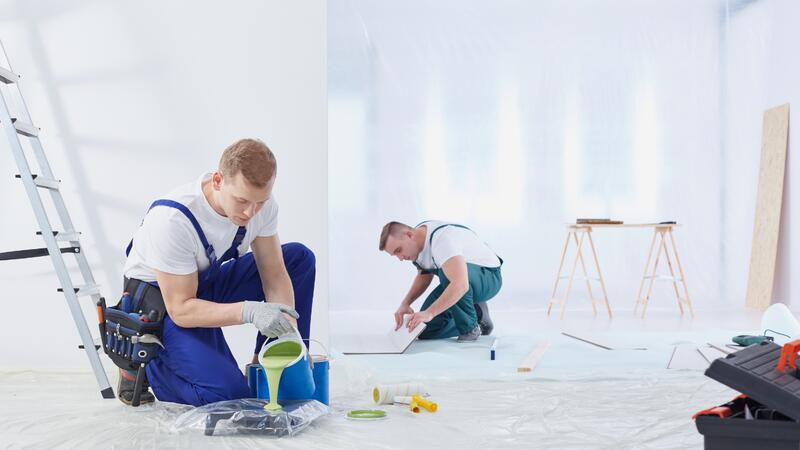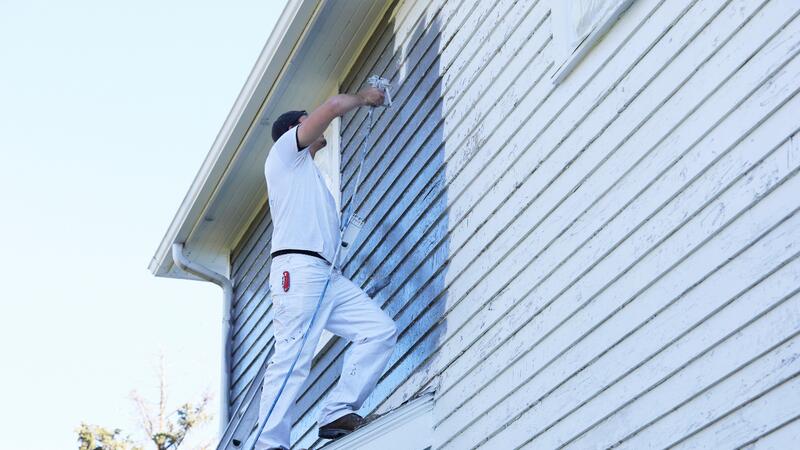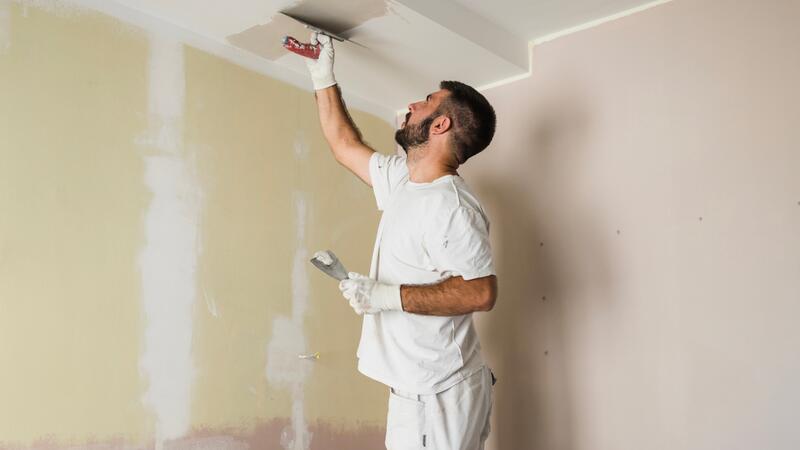
Every weekend, countless Kansas City homeowners roll up their sleeves, head to the local hardware store, and embark on what seems like a simple DIY painting project. Armed with brushes, rollers, and good intentions, they're confident they can transform their living spaces and save money in the process. But by Sunday evening, many find themselves staring at streaky walls, uneven coverage, and paint disasters that would make even the most patient homeowner want to cry.
As professional painters who've been serving the Kansas City metro area for years, we at KC Painting have seen it all. We've been called to rescue countless DIY painting projects gone wrong, and while we're always happy to help, we'd much rather see homeowners succeed from the start—or better yet, understand when it's time to call in the professionals.
The truth is, painting looks deceptively simple. After all, how hard can it be to apply paint to a wall? But there's a world of difference between slapping some paint on a surface and achieving a professional-looking finish that will last for years. In this comprehensive guide, we'll walk you through the most common DIY painting mistakes we see here in Kansas City, help you understand why they happen, and show you how to avoid them—or when to recognize that calling KC Painting at (816) 281-7039 might be your best bet.
The False Economy of DIY Painting
Before diving into specific mistakes, it's crucial to understand why so many Kansas City homeowners attempt DIY painting projects in the first place. The primary motivator is usually cost savings. Paint and basic supplies from your local Kansas City home improvement store might run $200-500 for an average room, while hiring professionals could cost $800-1,500 or more.
However, this calculation often overlooks several hidden costs. When DIY projects go wrong, homeowners frequently end up spending more money fixing mistakes than they would have spent hiring professionals initially. Consider the cost of:
- Additional paint to cover mistakes
- Premium tools you didn't initially buy
- Your time (often 2-3 times longer than estimated)
- Potential damage to furniture, flooring, or fixtures
- The frustration and stress of dealing with poor results
- Eventually hiring professionals anyway
Moreover, Kansas City's unique climate conditions—with hot, humid summers and cold winters—can make DIY painting particularly challenging for inexperienced homeowners. Professional painters understand how local weather patterns affect paint application, drying times, and long-term durability.
Mistake #1: Inadequate Surface Preparation
The number one mistake we see among Kansas City DIY painters is rushing through or completely skipping surface preparation. This is understandable—prep work isn't glamorous, and eager homeowners want to see immediate progress with actual paint application. However, proper preparation is the foundation of any successful paint job.
The Kansas City Climate Challenge
Our Midwest climate presents unique challenges for surface preparation. Kansas City's humidity levels can cause existing paint to bubble or peel, especially in older homes. The freeze-thaw cycles we experience can create small cracks and gaps that need attention before painting. Many DIY painters don't recognize these climate-specific issues.
Common Surface Prep Failures
Insufficient Cleaning: Simply wiping down walls with a damp cloth isn't enough. Walls accumulate grease, dust, soap residue, and other contaminants that prevent proper paint adhesion. Professional painters use specialized cleaners and techniques to ensure surfaces are truly clean.
Ignoring Minor Repairs: Small holes, cracks, and dents might seem insignificant, but they become glaringly obvious once painted. Paint doesn't hide imperfections—it often highlights them. Proper spackling, sanding, and priming of repairs is essential.
Skipping Primer: Many DIY painters assume modern "paint and primer in one" products eliminate the need for separate primer. While these products have improved, they're not appropriate for every situation. Dramatic color changes, stained surfaces, or previously unpainted surfaces often require dedicated primer.
Poor Sanding Technique: When sanding is attempted, it's often done incorrectly. Too aggressive sanding can damage surfaces, while insufficient sanding leaves a rough texture that shows through the final paint.
The Professional Difference
Professional painters like those at KC Painting typically spend 60-70% of project time on preparation. We know that rushed prep work will show in the final result, and our reputation depends on delivering consistently excellent results for Kansas City homeowners.
Mistake #2: Wrong Paint Selection for Kansas City Conditions
Choosing paint might seem straightforward, but the vast array of options can be overwhelming for DIY painters. Kansas City homeowners often make paint selection errors that lead to poor coverage, durability issues, or simply disappointing results.
Understanding Paint Quality Levels
Not all paints are created equal, and this is where many DIY projects go wrong. Budget paints from big box stores might seem economical, but they often require more coats for adequate coverage, have poor durability, and can look flat or lifeless once dry.
Professional-grade paints offer:
- Better coverage in fewer coats
- Superior durability and washability
- Richer, more consistent color
- Better flow and leveling characteristics
- Enhanced resistance to Kansas City's humidity and temperature fluctuations
Sheen Selection Mistakes
Choosing the wrong paint sheen is another common error. Each sheen level serves specific purposes:
Flat/Matte: Hides imperfections well but isn't washable. Good for low-traffic areas and ceilings. Eggshell: Slight sheen with some washability. Good for living rooms and bedrooms. Satin: More durable and washable. Ideal for kitchens, bathrooms, and hallways. Semi-gloss: Highly washable and moisture-resistant. Best for trim, doors, and cabinets. High-gloss: Maximum durability but shows every imperfection. Limited residential applications.
Many DIY painters use flat paint everywhere because it's forgiving of application mistakes, but this leads to maintenance issues in high-traffic areas.
Color Matching Challenges
Kansas City's diverse architectural styles—from Craftsman bungalows to modern developments—require thoughtful color selection. DIY painters often:
- Choose colors based on small paint chips rather than larger samples
- Fail to test colors in different lighting conditions
- Ignore how Kansas City's natural light affects color perception
- Don't consider how colors will look with existing furnishings and fixtures
Mistake #3: Using Inadequate or Wrong Tools
Another area where DIY painting projects frequently fail is tool selection. Many Kansas City homeowners try to economize by purchasing the cheapest brushes, rollers, and accessories available, not realizing that quality tools are essential for professional-looking results.
The Brush and Roller Factor
Cheap brushes and rollers are arguably the worst investment a DIY painter can make. Poor-quality brushes:
- Shed bristles into the paint
- Leave streaks and brush marks
- Don't hold enough paint for smooth application
- Wear out quickly, requiring frequent replacement
Similarly, cheap roller covers can leave lint and texture in the paint film, create uneven coverage patterns, and actually make the job more difficult.
Professional painters invest in high-quality brushes and rollers because they know these tools:
- Provide smoother, more even coverage
- Hold more paint, reducing the number of times you need to reload
- Last longer with proper care
- Actually make the job easier and faster
Specialized Tool Requirements
Different surfaces and paint types require specific tools. For example:
- Textured walls need longer-nap rollers
- Smooth surfaces work best with shorter-nap rollers
- Oil-based paints require natural bristle brushes
- Latex paints work better with synthetic brushes
DIY painters often try to use one set of tools for everything, leading to suboptimal results.
The Kansas City Weather Window
Our local climate also affects tool performance. High humidity can cause brushes to become soggy and ineffective, while low humidity can cause paint to dry too quickly on tools. Professional painters understand these nuances and adjust their techniques accordingly.
Mistake #4: Poor Application Technique
Even with good preparation, quality paint, and proper tools, poor application technique can ruin a painting project. Kansas City DIY painters commonly make several application errors that result in visible defects.
Overloading Brushes and Rollers
One of the most common mistakes is loading too much paint on brushes or rollers. This seems efficient—more paint per application should mean faster coverage—but it actually creates problems:
- Paint drips and runs
- Uneven coverage
- Longer drying times
- Wasted paint
- Messy application process
Professional painters know that multiple thin coats always look better than fewer thick coats.
Incorrect Rolling Patterns
Many DIY painters roll paint randomly across walls, creating a patchwork of different textures and coverage levels. The proper technique involves:
- Rolling in a "W" pattern to distribute paint
- Filling in the "W" with parallel strokes
- Making light, final passes in one direction for uniform texture
- Maintaining a wet edge to avoid lap marks
Timing Issues with Multiple Coats
Kansas City's variable humidity levels can significantly affect paint drying times. DIY painters often:
- Apply second coats too soon, causing the first coat to lift
- Wait too long between coats, preventing proper adhesion
- Fail to adjust timing based on temperature and humidity conditions
Cutting-in Problems
Cutting-in—painting edges and corners with a brush before rolling—requires skill and patience. Common DIY mistakes include:
- Cutting-in too much area before rolling, causing visible differences in texture
- Not maintaining a steady hand, creating wavy or uneven lines
- Failing to blend cut-in areas with rolled areas
Mistake #5: Ignoring Safety and Environmental Considerations
Safety is often an afterthought in DIY painting projects, but it shouldn't be. Kansas City homeowners frequently overlook important safety and environmental considerations that professional painters take seriously.
Ventilation Issues
Proper ventilation is crucial, especially in Kansas City's sometimes humid conditions. Poor ventilation can cause:
- Slow drying times
- Poor air quality during application
- Increased risk of mold or mildew in humid conditions
- Solvent buildup with oil-based products
Lead Paint Concerns
Many Kansas City homes were built before 1978, when lead paint was banned. Disturbing lead paint through sanding or scraping without proper precautions can create serious health hazards. Professional painters are trained in lead-safe work practices and can identify potential lead paint situations.
Ladder Safety
Falls from ladders are a leading cause of DIY painting injuries. Professional painters have:
- Proper ladder safety training
- High-quality, well-maintained equipment
- Experience working at heights safely
- Insurance coverage for accidents
Chemical Exposure
Paints, solvents, and cleaners contain chemicals that require proper handling. DIY painters often:
- Fail to read and follow safety data sheets
- Don't use appropriate personal protective equipment
- Improperly dispose of leftover materials
Mistake #6: Unrealistic Timeline Expectations
One of the biggest sources of DIY painting frustration is unrealistic timeline expectations. Kansas City homeowners often underestimate how long painting projects will take, especially when factoring in our local climate conditions.
The Reality of DIY Timing
What professional painters can complete in a day often takes DIY painters an entire weekend or longer. This isn't just about skill level—it's about:
- Experience with efficient workflows
- Having all the right tools readily available
- Understanding how to work around obstacles
- Knowing when to push forward and when to wait for proper drying
Kansas City Weather Windows
Our local climate creates specific timing challenges:
- High humidity days require longer drying times
- Temperature fluctuations can affect paint performance
- Seasonal pollen can contaminate wet paint surfaces
- Sudden weather changes can force project delays
Professional painters monitor weather conditions and adjust schedules accordingly. DIY painters often forge ahead regardless of conditions, leading to poor results.
The Disruption Factor
DIY painting projects often take much longer than expected, meaning:
- Rooms are out of commission for extended periods
- Furniture remains covered and inaccessible
- Normal household routines are disrupted
- Family stress levels increase
When to Call KC Painting Instead
While some painting projects are suitable for DIY enthusiasts, many situations warrant professional expertise. As Kansas City's trusted painting professionals, we recommend calling KC Painting when:
Complex Surface Conditions
- Multiple colors or dramatic color changes
- Textured or specialty surfaces
- High ceilings or difficult-to-reach areas
- Surfaces requiring extensive prep work
- Historic or valuable surfaces that need special care
Time Constraints
- Quick turnaround needed
- Limited availability for extended projects
- Coordination with other contractors required
- Special event deadlines to meet
Quality Requirements
- High-visibility areas where perfection matters
- Commercial or rental properties
- Preparation for home sales
- Warranty or guarantee requirements
Health and Safety Concerns
- Suspected lead paint presence
- High ladder work required
- Chemical sensitivity issues
- Structural repair needs identified
The Value of Professional Painting Services
Professional painters like KC Painting bring value that extends far beyond just applying paint. When you hire professionals, you're getting:
Expertise and Experience: Years of training and hands-on experience solving painting challenges specific to Kansas City homes.
Quality Materials: Access to professional-grade paints and materials not readily available to consumers.
Proper Equipment: Industrial-grade tools and equipment that produce superior results.
Efficiency: Streamlined processes that minimize disruption to your daily life.
Problem-Solving: Ability to identify and address issues before they become major problems.
Warranty Protection: Guarantee on both materials and workmanship.
Insurance Coverage: Protection against accidents or damage during the project.
Local Knowledge: Understanding of Kansas City's unique climate conditions, architectural styles, and permit requirements.
Frequently Asked Questions
Q: How much money can I actually save by doing my own painting?
While DIY painting can save money on labor costs, the actual savings are often less than expected. Professional painters typically charge $1.50-$3.50 per square foot for interior painting in the Kansas City area, which includes materials. DIY materials alone might cost $0.75-$1.25 per square foot, but this doesn't account for tools, your time (often valued at $15-25 per hour), or the cost of fixing mistakes. When everything is factored in, actual savings might only be 20-30%, and that's assuming everything goes perfectly the first time.
Q: What's the biggest mistake Kansas City DIY painters make?
The biggest mistake is inadequate surface preparation, especially failing to account for our local climate conditions. Kansas City's humidity and temperature fluctuations can cause existing paint to bubble, peel, or fail to adhere properly if surfaces aren't properly prepared. Many DIY painters want to skip straight to the "fun" part of applying paint, but preparation typically represents 60-70% of a professional paint job and is crucial for lasting results.
Q: Can I use exterior paint indoors or interior paint outdoors?
No, these paints are formulated for specific environments. Interior paints aren't designed to withstand Kansas City's weather extremes—UV radiation, temperature swings, and moisture will cause them to fail quickly outdoors. Exterior paints contain additives that help them resist weather but may not be safe for indoor air quality. Using the wrong paint type is a common DIY mistake that leads to premature failure and potential health concerns.
Q: How do I know if my Kansas City home has lead paint?
Any home built before 1978 potentially contains lead paint. Visual inspection isn't reliable—lead paint testing requires special equipment or laboratory analysis. If you suspect lead paint, especially if you see peeling, chipping, or chalk-like residue, stop any DIY work immediately. Kansas City has specific regulations about lead paint disturbance, and improper handling can create serious health hazards. Professional painters like KC Painting are trained in lead-safe work practices and can help you navigate these situations safely.
Q: What time of year is best for painting in Kansas City?
Spring and fall typically offer the most favorable conditions for painting in Kansas City. Late spring (April-May) and early fall (September-October) provide moderate temperatures, lower humidity, and more stable weather patterns. Summer's high humidity can slow drying times and make working conditions uncomfortable, while winter's cold temperatures can prevent proper paint curing. However, interior painting can be done year-round with proper climate control and ventilation.
Q: Should I prime before painting even if I'm using paint-and-primer-in-one products?
While paint-and-primer-in-one products have improved significantly, they're not appropriate for every situation. You should still use separate primer when making dramatic color changes (especially going from dark to light colors), painting over stains, painting previously unpainted surfaces, or dealing with glossy surfaces. In Kansas City's humid climate, proper priming is especially important in bathrooms and kitchens to ensure long-lasting adhesion and prevent moisture-related problems.
Don't Let DIY Painting Mistakes Ruin Your Kansas City Home
Painting your home should enhance its beauty, increase its value, and create a space you love to live in. When DIY painting projects go wrong, they can have the opposite effect—leaving you frustrated, out of pocket, and living with unsatisfactory results.
The painting professionals at KC Painting have been helping Kansas City homeowners achieve beautiful, long-lasting paint jobs for years. We understand the unique challenges our local climate presents, we use only the highest-quality materials and techniques, and we stand behind our work with comprehensive warranties.
Whether you're dealing with a DIY disaster that needs professional rescue, planning a painting project and want to do it right the first time, or simply want the peace of mind that comes with professional expertise, KC Painting is here to help.
We serve Kansas City and all surrounding areas with the same commitment to excellence that has built our reputation in the community. Our experienced team knows how to handle everything from simple room refreshes to complex whole-house transformations, and we work with your schedule to minimize disruption to your daily life.
Don't let your next painting project become another DIY disaster story. Call KC Painting today at (816) 281-7039 for a free, no-obligation estimate. Let us show you the difference professional expertise makes, and discover why so many Kansas City homeowners trust us with their most important painting projects.
Your home deserves professional results, and you deserve the peace of mind that comes with hiring experienced professionals who guarantee their work. Contact KC Painting today—your walls will thank you.