As a Kansas City homeowner, you've probably wondered when it's time to refresh your home's paint. Whether you're looking at peeling exterior siding or noticing that your living room walls have lost their luster, knowing when to repaint can save you money and protect your investment. The answer isn't always straightforward – it depends on several factors including your home's materials, local climate conditions, and the quality of previous paint jobs.
Understanding the right painting schedule for your Kansas City home is crucial for maintaining its value, curb appeal, and structural integrity. With our region's unique climate challenges – from humid summers to freezing winters – timing your repainting projects correctly can make the difference between a paint job that lasts a decade and one that starts failing after just a few years.
Understanding Kansas City's Climate Impact on Paint
Kansas City's continental climate presents unique challenges for both interior and exterior paint. Our region experiences hot, humid summers with temperatures often reaching the 90s, while winters can bring sub-freezing temperatures and occasional ice storms. This dramatic temperature fluctuation, combined with moderate to high humidity levels, significantly impacts how long paint lasts on your home.
The freeze-thaw cycle is particularly hard on exterior paint. When moisture gets into small cracks in the paint film and then freezes, it expands and creates larger cracks, leading to peeling and flaking. Additionally, Kansas City's average of 39 inches of rainfall per year means your exterior paint faces constant moisture exposure during spring and summer months.
UV exposure is another factor to consider. Kansas City receives plenty of sunshine, especially during summer months, which can cause paint to fade and chalk over time. South and west-facing surfaces typically show wear faster than those facing north or east due to increased sun exposure.
For interior spaces, Kansas City's humidity levels can affect paint adhesion and longevity. Rooms with poor ventilation, such as bathrooms and kitchens, may need more frequent repainting due to moisture damage and mildew growth.
Exterior Painting Frequency Guidelines
Wood Siding
Wood siding is one of the most maintenance-intensive exterior materials when it comes to painting. In Kansas City's climate, wood siding typically needs repainting every 3-7 years, with most experts recommending a 4-year cycle for optimal protection. The frequent repainting schedule is necessary because wood is particularly susceptible to moisture damage, and paint serves as the primary barrier against Kansas City's variable weather conditions.
High-quality paint and proper preparation can extend this timeline toward the 6-7 year range, while lower-grade paint or poor application may require attention every 3-4 years. Signs that your wood siding needs repainting include peeling, cracking, fading, or bare wood showing through the paint film.
Vinyl and Aluminum Siding
Vinyl siding rarely needs painting for maintenance purposes, as it's designed to maintain its color throughout its lifespan. However, if you want to change colors or if the siding has faded significantly, it can be painted. When painted, vinyl siding in Kansas City typically needs repainting every 7-10 years.
Aluminum siding requires repainting approximately every 5 years in our climate. Aluminum is prone to chalking and oxidation, especially when exposed to Kansas City's temperature extremes and UV radiation. Regular repainting not only maintains appearance but also prevents corrosion that can shorten the siding's lifespan.
Stucco and Masonry
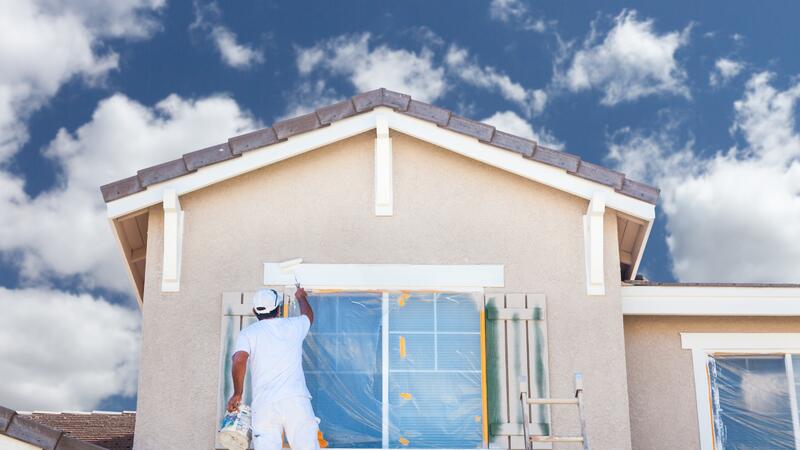
Stucco exteriors are relatively low-maintenance when it comes to painting frequency. In Kansas City, stucco typically needs repainting every 5-10 years, depending on the quality of the paint and the home's exposure to the elements. Stucco's textured surface can hide minor wear better than smooth surfaces, allowing for longer intervals between paint jobs.
However, stucco is prone to cracking due to settling and temperature changes. These cracks should be repaired before repainting to prevent moisture intrusion. Kansas City's freeze-thaw cycles can worsen existing cracks, so regular inspection and maintenance are essential.
Brick siding that's been painted requires the least frequent repainting, typically every 10-20 years. However, once brick has been painted, it generally needs to be maintained with paint indefinitely, as removing paint from brick is extremely difficult and can damage the surface.
Trim and Accent Areas
Window trim, doors, and other accent areas often need attention more frequently than main siding surfaces. These areas are typically painted with different products and face more stress from opening and closing (in the case of doors and windows) and weather exposure. In Kansas City, trim areas usually need repainting every 2-4 years, depending on their exposure and the quality of paint used.
Interior Painting Schedules
Interior painting schedules are generally more flexible than exterior schedules since indoor surfaces aren't exposed to weather. However, several factors influence how often you should repaint interior spaces in your Kansas City home.
High-Traffic Areas
Hallways, entryways, children's rooms, and family rooms typically need repainting every 2-4 years. These areas experience more wear from daily activities, including scuff marks, fingerprints, and general soil accumulation. The paint finish you choose significantly impacts durability – semi-gloss and satin finishes withstand cleaning better than flat paint and may extend the repainting interval.
Bedrooms and Living Spaces
Adult bedrooms and formal living areas that receive light use can often go 5-7 years between paint jobs. These rooms typically experience less physical wear, and repainting is often done for aesthetic reasons rather than maintenance needs.
Kitchens and Bathrooms
Kitchens and bathrooms face unique challenges due to moisture, grease, and temperature fluctuations. Kansas City's humid summers can exacerbate moisture issues in poorly ventilated bathrooms. These rooms typically need repainting every 3-4 years, or sooner if you notice mildew, peeling, or significant staining.
Using high-quality paint designed for high-moisture areas can extend the repainting interval. Semi-gloss or satin finishes are recommended for these spaces as they resist moisture better and are easier to clean than flat paints.
Ceiling Considerations
Ceilings generally need less frequent repainting than walls, typically every 8-10 years in most areas of the home. However, bathroom and kitchen ceilings may need attention every 5-7 years due to moisture and cooking vapors. Popcorn or textured ceilings can often go longer between paint jobs since the texture helps hide minor imperfections and soil.
Signs It's Time to Repaint
Exterior Warning Signs
Recognizing when your Kansas City home's exterior needs repainting can help you address issues before they become expensive repairs. Peeling or flaking paint is the most obvious sign – this indicates that the paint has lost adhesion to the surface and is no longer providing protection.
Chalking is another common issue, especially on aluminum siding and trim. You'll notice a powdery residue on your hand when you touch the painted surface. While some chalking is normal as paint ages, excessive chalking indicates it's time for a fresh coat.
Fading is particularly noticeable on south and west-facing surfaces that receive the most sun exposure. While faded paint may still provide some protection, it's often a sign that the paint's other protective properties are also diminishing.
Cracks in the paint film, especially on wood surfaces, allow moisture to reach the substrate and can lead to rot or other damage if not addressed promptly. In Kansas City's climate, even small cracks can quickly become larger problems due to freeze-thaw cycles.
Interior Warning Signs
Interior surfaces show different signs of wear that indicate it's time for repainting. Scuff marks, crayon marks, and other stains that can't be cleaned off are obvious indicators. However, more subtle signs include a general dingy appearance, color fading near windows, or paint that looks flat and lifeless even after cleaning.
In bathrooms and kitchens, look for mildew growth, especially around windows and in corners. Peeling or bubbling paint in these areas indicates moisture problems that should be addressed before repainting.
Traffic patterns often become visible on walls, especially in hallways and around light switches and door frames. These areas may need touch-up painting more frequently than entire room repainting.
Factors That Affect Paint Longevity
Paint Quality and Type
The quality of paint you choose has the most significant impact on how long it will last. Premium paints contain higher concentrations of pigments and resins, providing better coverage, durability, and color retention. While they cost more upfront, high-quality paints often provide better value over time by lasting longer and requiring fewer coats.
For Kansas City's climate, 100% acrylic latex paints are typically recommended for exteriors. These paints remain flexible as they age, helping them resist cracking from temperature changes. They also provide excellent adhesion and mildew resistance, important factors in our humid climate.
For interiors, the paint finish plays a crucial role in longevity. Flat paints hide imperfections well but are difficult to clean and show wear quickly in high-traffic areas. Semi-gloss and satin finishes are more durable and cleanable, making them better choices for trim, kitchens, and bathrooms.
Surface Preparation
Proper surface preparation is crucial for paint longevity and is often where corners get cut in an effort to save money. However, skipping preparation steps almost always leads to premature paint failure. For exterior surfaces, this includes pressure washing, scraping loose paint, sanding rough areas, and priming bare surfaces.
KC Painting emphasizes thorough preparation in all their projects because they understand that preparation work directly impacts how long the paint job will last. Properly prepared surfaces can extend paint life by several years, while poor preparation can lead to failure within months.
For interior surfaces, preparation includes cleaning walls, filling holes and cracks, and priming stained or previously unpainted surfaces. While preparation adds time and cost to a project, it's essential for achieving professional, long-lasting results.
Environmental Factors
Your home's specific location and exposure affect how often it needs repainting. Homes with significant tree coverage may stay cooler and receive less UV damage, potentially extending paint life. However, trees can also create moisture problems and acid rain from decomposing leaves.
Homes near busy streets may accumulate dirt and pollutants faster, requiring more frequent cleaning or repainting. Similarly, homes in dusty areas or near construction sites may need attention sooner than those in pristine locations.
Wind exposure is another factor – homes on hilltops or in open areas face more wind-driven rain and debris, which can accelerate paint wear. Kansas City's occasional severe weather, including hail storms, can also damage paint and require unscheduled touch-ups or complete repainting.
Optimal Timing for Painting Projects in Kansas City
Exterior Painting Seasons
Kansas City's climate creates distinct windows of opportunity for exterior painting. The ideal conditions require several consecutive days with temperatures above 50°F, low humidity, and no precipitation forecast. These conditions are most commonly found in late spring (May-June) and early fall (September-October).
Summer painting is possible but challenging due to high temperatures and humidity. Paint applied in temperatures above 85°F can dry too quickly, leading to brush marks and poor adhesion. Additionally, high humidity can prevent proper paint curing and increase the risk of mildew problems.
Winter painting is generally not recommended unless absolutely necessary. Cold temperatures prevent proper paint curing, and moisture from snow and ice can interfere with adhesion. Emergency repairs might be necessary during winter months, but major painting projects should be postponed until spring.
Spring preparation is crucial for exterior painting success. This includes cleaning surfaces, making repairs, and scheduling your painting contractor early in the season. KC Painting typically recommends booking exterior projects in March or April for late spring completion, as good contractors fill their schedules quickly during optimal painting weather.
Interior Painting Flexibility
Interior painting offers much more flexibility in timing since indoor conditions can be controlled. However, Kansas City's climate still influences interior projects. Spring and fall provide the best balance of temperature and humidity for interior work, allowing for optimal paint application and curing.
Winter interior painting is feasible but requires attention to humidity levels. Kansas City homes often have dry air during winter months due to heating systems, which can cause paint to dry too quickly and potentially affect the finish quality. Using a humidifier during the painting process can help maintain optimal conditions.
Summer interior painting presents the opposite challenge – high humidity can slow paint drying and curing. Air conditioning helps, but rooms should be well-ventilated to allow proper air circulation during the painting process.
Timing interior projects around your family's schedule is often more important than seasonal considerations. Many Kansas City homeowners schedule interior painting during school breaks or before major holidays when they want their homes looking their best.
Cost Considerations and Budgeting
Exterior Painting Costs
Exterior painting costs in Kansas City vary significantly based on home size, complexity, and paint quality. For a typical 2,000 square foot home, professional exterior painting ranges from $8,000 to $15,000, with most projects falling in the $10,000-$12,000 range.
Factors affecting cost include:
- Surface preparation needs
- Number of stories
- Architectural complexity
- Paint quality selection
- Trim and detail work required
While cost is always a consideration, focusing solely on the lowest bid often leads to disappointment. Quality contractors like KC Painting provide detailed estimates that break down material and labor costs, helping you understand what you're paying for.
Consider the cost per year when evaluating painting options. A $12,000 paint job that lasts 8 years costs $1,500 per year, while a $8,000 job that lasts 4 years costs $2,000 per year. Quality work and materials often provide better long-term value.
Interior Painting Investments
Interior painting costs are generally lower than exterior projects, typically ranging from $2-$4 per square foot for professional work in Kansas City. A typical room might cost $800-$1,500 to paint professionally, depending on size and complexity.
DIY interior painting can save money but requires significant time investment and skill to achieve professional results. Factor in the cost of materials, tools, and your time when comparing DIY versus professional options.
Some interior painting projects offer better returns on investment than others. Fresh paint in kitchens, bathrooms, and main living areas provides the most impact for entertaining and potential home sales. Neutral, updated colors can make spaces feel larger and more modern.
Maintenance vs. Replacement Decisions
Sometimes the decision isn't whether to repaint but whether to replace siding or other exterior elements entirely. If wood siding requires extensive repair work or if you're facing your third or fourth repainting cycle, replacement with low-maintenance materials might be more cost-effective long-term.
Similarly, interior walls that require significant prep work due to damage or multiple paint layers might benefit from skim coating or drywall replacement rather than just repainting.
KC Painting can help evaluate these decisions by providing honest assessments of surface conditions and comparing long-term costs of maintenance versus replacement options.
Professional vs. DIY Considerations
When to Hire Professionals
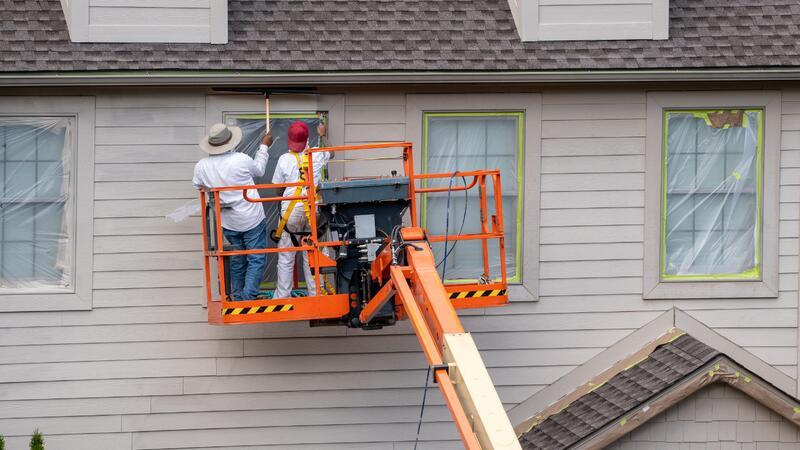
Exterior painting almost always benefits from professional expertise, especially in Kansas City's challenging climate. Professional painters understand proper preparation techniques, paint selection, and application methods that ensure longevity. They also have the equipment and safety training necessary for multi-story homes and challenging architectural features.
Interior painting offers more opportunities for DIY success, but professional work still provides advantages. Professionals work faster, achieve more consistent results, and handle preparation and cleanup efficiently. For homeowners with busy schedules or limited painting experience, professional interior painting often provides better value despite higher upfront costs.
Complex projects involving wallpaper removal, significant repairs, or specialty finishes typically require professional expertise. Attempting these projects without proper knowledge and tools often leads to poor results and potentially higher costs to correct problems.
DIY Success Factors
Successful DIY painting requires realistic assessment of your skills, available time, and project complexity. Simple interior rooms with minimal preparation needs can be good DIY projects for homeowners who enjoy the work and have adequate time.
Key factors for DIY success include:
- Proper tool selection and quality materials
- Adequate preparation time
- Understanding of paint application techniques
- Realistic timeline expectations
- Safety considerations for ladder work
Even DIY painters can benefit from professional consultation on paint selection and preparation techniques. Many paint stores in Kansas City offer expert advice that can improve DIY project outcomes.
Quality and Warranty Considerations
Professional painters typically offer warranties on their work, providing peace of mind and recourse if problems develop. Reputable contractors like KC Painting stand behind their work and will address legitimate issues that arise during the warranty period.
DIY projects don't include labor warranties, though paint manufacturers may warranty their products. Consider this factor when evaluating the total value proposition of professional versus DIY painting.
Professional painters also carry insurance, protecting you from liability in case of accidents or property damage during the project. This protection isn't available with DIY work and can represent significant financial risk, especially for exterior projects involving ladders and multi-story work.
Frequently Asked Questions
How does Kansas City's weather affect exterior paint longevity?
Kansas City's continental climate with hot, humid summers and cold winters creates challenging conditions for exterior paint. The freeze-thaw cycles can cause paint to crack and peel, while high humidity and UV exposure fade colors and break down paint films. These conditions typically require exterior repainting every 5-7 years, compared to 7-10 years in milder climates. Proper paint selection and application techniques can help maximize longevity despite our challenging weather conditions.
What's the best time of year to paint my home's exterior in Kansas City?
The optimal time for exterior painting in Kansas City is late spring (May-June) and early fall (September-October). These periods offer the most consistent weather with temperatures above 50°F, lower humidity, and minimal precipitation. Most paints require several days of temperatures above 50°F for proper curing, making timing crucial for long-lasting results. Summer painting is possible but challenging due to high temperatures and humidity, while winter painting should be avoided except for emergency repairs.
How often should I repaint high-traffic interior areas like hallways and kids' rooms?
High-traffic interior areas typically need repainting every 2-4 years in Kansas City homes. These spaces experience more wear from daily activities, including scuff marks, fingerprints, and general soil accumulation. The paint finish significantly impacts durability – semi-gloss and satin finishes withstand cleaning better than flat paint and may extend repainting intervals. Regular cleaning and prompt touch-up of small damages can help extend the time between full repainting projects.
Can I extend the time between paint jobs by using premium paint?
Yes, premium paint can significantly extend repainting intervals. High-quality paints contain more pigments and resins, providing better coverage, durability, and color retention. While premium paint costs 30-50% more than standard paint, it often lasts 2-3 years longer, providing better long-term value. For Kansas City's challenging climate, 100% acrylic latex paints offer the best durability for exterior applications, while high-quality interior paints resist fading, staining, and wear better than economy options.
What are the warning signs that my home needs repainting immediately?
Several warning signs indicate immediate repainting needs: peeling or flaking paint (especially on exteriors), chalking that leaves residue on your hands, visible wood or substrate showing through paint, and cracks in the paint film. For interiors, look for mildew growth, bubbling paint in bathrooms or kitchens, and stains that won't clean off. These issues indicate that paint is no longer providing adequate protection and should be addressed promptly to prevent more expensive damage to underlying surfaces.
How does surface preparation affect how long paint will last?
Surface preparation is crucial for paint longevity and can extend paint life by several years when done properly. Proper preparation includes cleaning surfaces, scraping loose paint, filling cracks, and priming bare areas. Poor preparation is the leading cause of premature paint failure – paint applied over dirt, loose paint, or unprimed surfaces may fail within months rather than years. While preparation adds cost upfront, it's essential for achieving the full expected lifespan from your paint investment.
Should I repaint my entire house exterior at once or do it section by section?
For best results and long-term value, repainting the entire exterior at once is typically recommended. This approach ensures color consistency, allows for bulk purchasing discounts, and provides the most efficient use of contractor time. However, if budget constraints require a phased approach, prioritize the most exposed sides (typically south and west-facing) and areas showing the most wear. KC Painting can help develop a multi-year plan that addresses the most critical areas first while maintaining your home's overall appearance.
Protect Your Investment with Professional Painting Services
Maintaining your Kansas City home's paint isn't just about appearance – it's about protecting one of your most significant investments. Regular repainting prevents moisture damage, maintains energy efficiency, and preserves your home's value in our competitive real estate market.
Whether you need exterior painting to protect against Kansas City's challenging weather conditions or interior painting to refresh your living spaces, working with experienced professionals ensures the best results and longest-lasting protection for your home.
KC Painting has been serving Kansas City homeowners for years, understanding the unique challenges our climate presents and using proven techniques to maximize paint longevity. From proper surface preparation to premium paint selection and expert application, KC Painting delivers results that protect your investment and keep your home looking its best.
Don't wait until paint failure becomes expensive structural damage. Contact KC Painting today at (816) 281-7039 to schedule a consultation and learn how professional painting services can protect and beautify your Kansas City home for years to come.